Environmental laboratory
Published over 15 years ago. See the latest and most current information on Environmental laboratory.
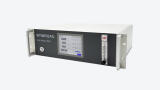
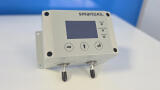
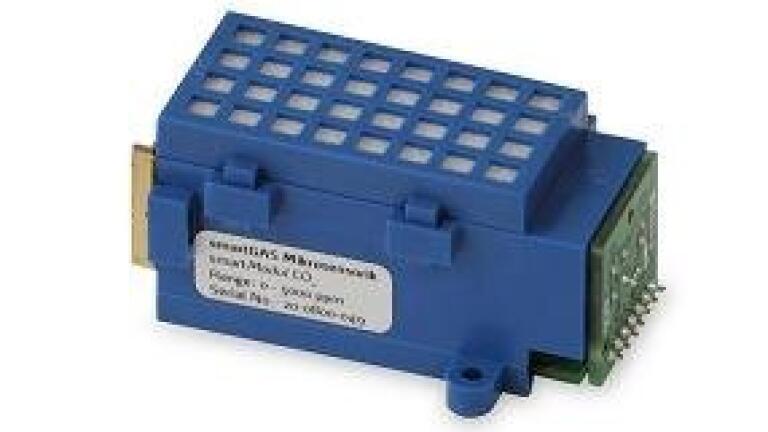
Gas sensors based on infrared absorption enjoy a number of important advantages compared to electrochemical and catalytic sensors. As infrared sensors use the property of a gas to absorb infrared radiation at a specific, characteristic wavelength, they are very selective and show virtually no cross-sensitivity to other gases. Furthermore, in contrast to other types of gas sensors, infrared sensors tend not to be discernibly susceptible to ageing. The smartMODUL from smartGAS (Germany) uses this technology and is available for a variety of different gases, including tetrafluoroethane (R134a), a refrigerant widespread in refrigeration systems.
The potential danger these refrigerants represent to the environment has led to the recent introduction of legal regulations restricting their use. Refrigeration plants that use refrigerants such as R134a require checks for leakage by certified personnel at regular intervals. The frequency of these checks depends on the quantity of refrigerant used - plants using 300 kg or more refrigerant require a check every three months. The legally required interval between checks can be doubled if a leakage detection system that triggers an alarm in the event of a leak is installed. This in turn can halve the costs of mandatory checks, and represents a relatively rapid return on investment.
The smartMODUL, supplied by smartGAS as an OEM module, is ideal for installation as such leakage detection systems. The high selectivity of this infrared system produces virtually no false alarms, in contrast to other systems. The entire sensor module is not much larger than a matchbox and can be easily integrated into most applications. Depending on the version it is available with several different standard interfaces such as 4...20 mA, 0...2.5 V, RS485 or UART.
IET 36.5 Sept/Oct 2026




 Product directory