Microplastics analysis
Published over 9 years ago. See the latest and most current information on Microplastics analysis.
Scientists performing microplastics research in academia, regulatory bodies or environmental protection organizations, who need to detect, quantitate or identify microplastics (and the pollutants hosted by them) can rely on PerkinElmer’s experience and complete range of innovative solutions. This applies equally to those who measure the biological, genomic and proteomic impact of microplastics on marine bio-organisms and the food chain.
Microplastics in Water
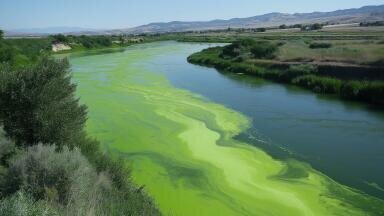
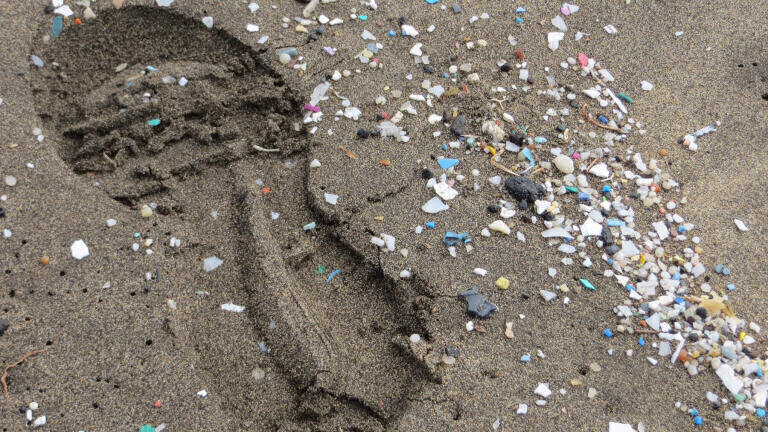
Scientists estimate that nearly 270,000 metric tons of plastic are now dispersed throughout the world’s oceans. In under 50 years, hardly a waterway, river, pond or life form anywhere is free of petrochemical plastics. Nowadays, in any neighborhood the scenery is dotted with plastic bottles, bags, and, on closer inspection, tiny particles representing virtually every facet of the plastics’ spectrum, including microbeads.
Unlike larger plastic items littering the globe, ensnaring everything from sea turtles, dolphins, otters, and even whales, microbeads are potentially even more lethal. They are tiny polymeric particles which are added to creams, soaps and toothpaste as exfoliants and to clothes to provide sheen. Their size allows them to easily enter the drain, and pass undisturbed through filtration plants, and into waterways and oceans by the trillions each year.
As pressure to ban microbeads gains momentum around the globe, one obvious question is: how can we identify, quantify and characterize microbeads and their environmental and biological impacts.
Solutions For Microplastics Research
Watch on demand webinar “Microplastics in Rivers and the Marine Environment: Detection and Identification using ATR-IR and Automated IR Microspectroscopy.”
Read the story “Rethinking Our Microplastic World” and learn more.
IET Guide 2026
 Product directory