Environmental laboratory
Published over 15 years ago. See the latest and most current information on Environmental laboratory.
Many RH instruments installed in high-humidity applications suffer from poor reliability because the electronics are exposed to the harsh, damp environment.
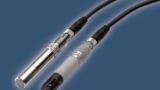
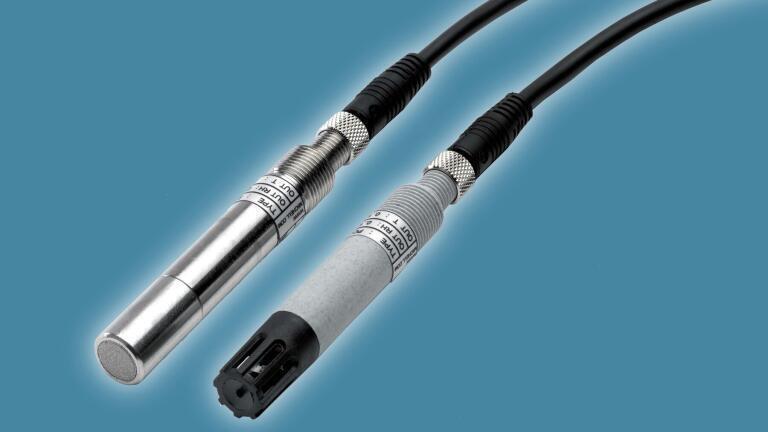
The miniature PCmini52 probe from Michell Instruments (UK) overcomes this problem with electronics that are encapsulated in a protective resin and so are completely protected from the atmosphere. This gives the instrument an IP65 rating and enables the probe to provide reliable measurements no matter how high the surrounding humidity.
The PCmini52 humidity transmitter uses a capacitive thin-film polymer sensor which either absorbs or releases water vapor as the relative humidity of the ambient air rises or drops. These sensors, developed by Michell’s Coreci division, offer both a fast response and excellent sensitivity to fluctuations in humidity.
The PCmini52 is a flexible option, offering different output voltages. In addition to its miniature size, it can be configured with both plastic and stainless steel housing for additional protection. A low power consumption of 3mA (output 0-1 Volt) makes the PCmini52 flexible enough for battery operated or wireless applications as well as fixed installations.
IET Guide 2026

 Product directory