
Air sensors
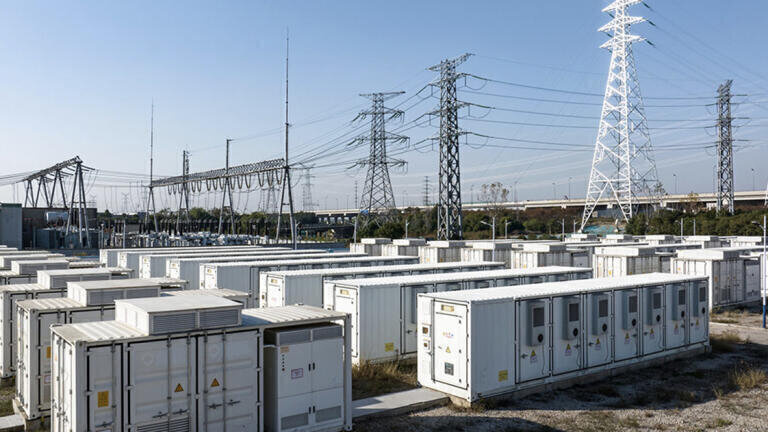
Battery Energy Storage Systems (BESS) are revolutionising the way we power our world, acting as the source that keeps renewable energy flowing even when the sun isn’t shining or the wind isn’t blowing.
As the backbone of modern energy infrastructure, BESS plays a crucial role in balancing supply and demand. However, with the increasing adoption of large-scale battery storage comes the responsibility for manufacturers, site managers and regulators to manage its risks effectively.
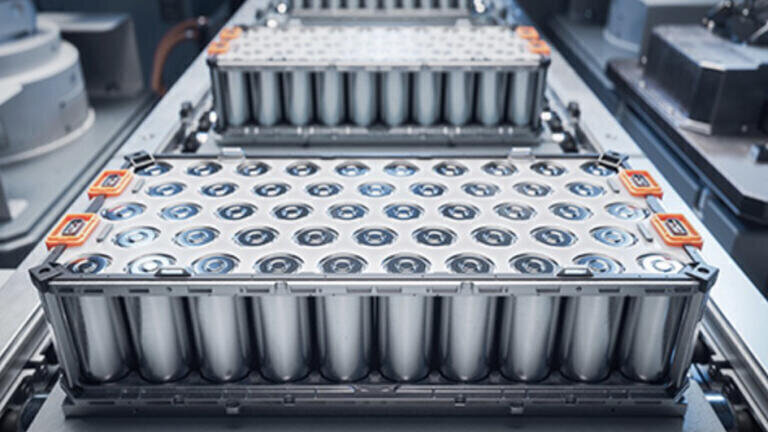
Thermal runaway is the equivalent of a system overload. It’s a dangerous chain reaction in which an overheated battery cell loses its stability and begins to ignite its neighbours, setting off a firestorm that’s incredibly difficult to contain. It's of particular concern when dealing with lithium-ion batteries used in products such as electric vehicles, portable electronics, and grid-scale storage.
Much like an electrical surge that fries a circuit, thermal runaway rapidly escalates, putting lives, infrastructure, and energy security at risk.
Several factors can cause this dangerous phenomenon to ignite. Overcharging or over discharging can push a battery beyond its limits and cause excessive heat buildup, leading to system failure. Physical damage or manufacturing defects such as cracks, punctures, or design flaws can create weak links in the chain, making failures more likely. Environmental conditions such as exposure to high temperatures or external heat sources, can turn a stable BESS into a ticking time bomb.
The fallout from a BESS fire can be severe, resulting in massive financial losses, grid instability, and environmental harm. And when you consider that these storage units are often installed near other high-energy infrastructure, the potential for disaster multiplies.
With the adoption of BESS units ramping up across the globe, soaring by more than 50% in 2024 alone, the potential risks must be managed in a way that safeguards workers, critical assets, communities, and the environment.
The best way to prevent thermal runaway is to detect heat anomalies before they escalate. But without the right monitoring tools in place, operators are left in the dark, often unaware of hidden dangers until it’s too late.
That’s where thermal imaging technology plays a pivotal role. By offering continuous, real-time temperature surveillance, advanced thermal imaging can alert personnel to dangerous situations as they being to develop, so that no hot spot beyond specifications goes unnoticed. Like a circuit breaker that prevents an electrical overload, thermal monitoring acts as a failsafe, allowing site managers to catch and address overheating batteries before they ignite.
To truly keep BESS operations running smoothly without the risk of meltdown, thermal monitoring systems must offer several features. High-resolution imaging with the ability to detect even the slightest temperature variations across battery stacks, ensuring no heat anomaly slips through the cracks. A wide field of view with comprehensive coverage that leaves no blind spots, just as a well-designed electrical grid leaves no home without power. Advanced analytics with smart detection technology that filters out false alarms caused by reflections, weather, or routine human activity, and 24/7 real-time monitoring non-stop watchdog that never sleeps, ensuring site managers stay wired into potential risks at all hours.
With 640 × 480 thermal resolution, FSX® (Flexible Scene Enhancement) technology, on-the-edge analytics, and offered fields of view up to 80°, FLIR’s industry-leading A500f/A700f Advanced Smart Sensor camera is key to ensuring site owners' valuable peace of mind.
BESS technology is charging ahead, and with it, the responsibility to keep energy storage systems safe and stable. If left unmonitored, thermal runaway could pull the plug on renewable energy progress, jeopardising the benefits of grid resilience, sustainability, and energy security.
By integrating cutting-edge thermal imaging into BESS infrastructure, operators can stay ahead of the curve, preventing small temperature fluctuations from sparking massive disasters. Because in the high-stakes world of energy storage, early detection isn’t just a bright idea it’s the only way to keep the power on.
IET 36.5 Sept/Oct 2026


 Product directory




.jpg)





















.jpg)
.jpg)