Air monitoring
Published over 11 years ago. See the latest and most current information on Air monitoring.
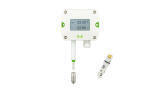
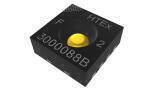
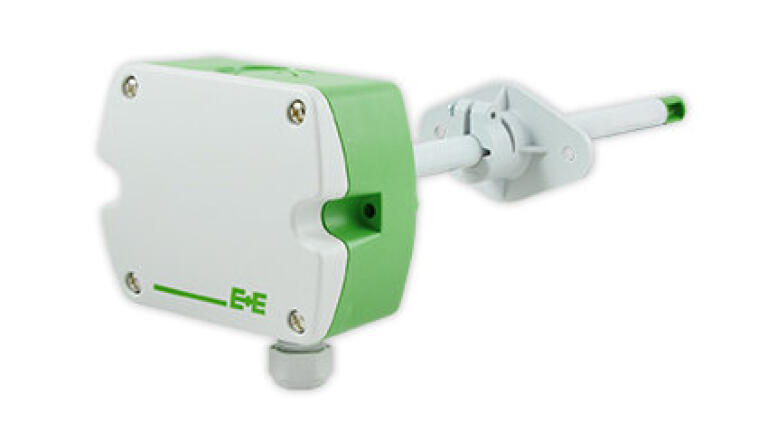
The new EE660 air velocity transmitter from E+E Elektronik measures air velocity down to 0.15 m/s and is particularly suitable for laminar flow control and other clean room applications. The E+E thin film sensor used in EE660 operates on the hot film anemometer principle which is characterized by high accuracy, excellent long-term stability and lowest sensitivity to dirt. The low angular dependence additionally simplifies installation of the transmitter.
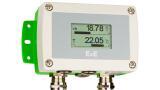
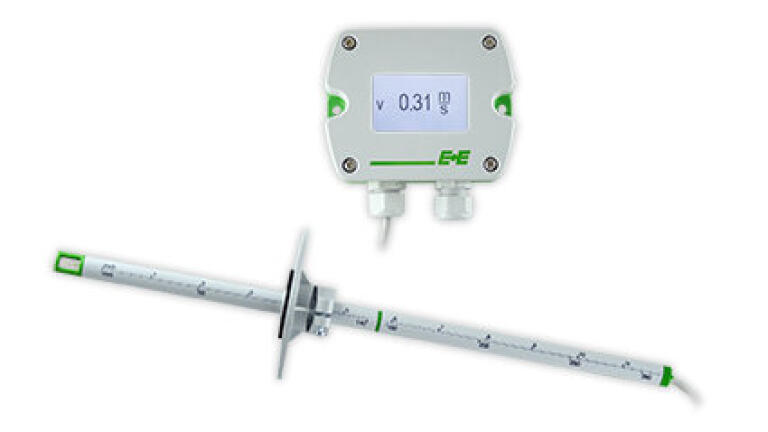
The air velocity transmitter is available for wall or duct mounting as well as with remote probe. The large, flush-mounted LCD display with backlight is 180° rotatable and ensures optimal readability of the measured data.
The EE660 has a current and voltage output, whereby both signals are available on the terminal. The measurement range and the response time can be selected via jumpers. An optional kit facilitates easy adjustment of the transmitter and configuration of the display.
External mounting holes allow quick and easy installation of the transmitter with closed cover. This keeps the electronics protected from construction site pollution. In addition, the electronic components are located on the underside of the PCB and are thus safe from mechanical damage during installation.
IET Guide 2026

 Product directory




















.jpg)