Water/wastewater
Published over 14 years ago. See the latest and most current information on Water/wastewater.
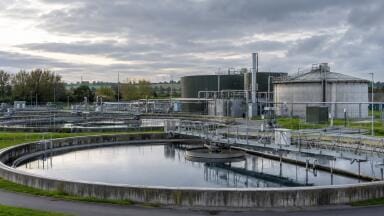
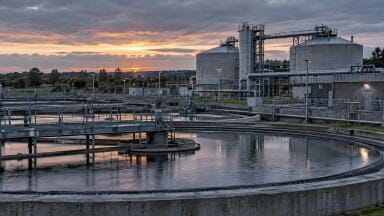
Discharging industrial waste water is a most sensitive ecological procedure. Due to ever more complex processes, there are an increasing number of possibilities that oil traces can enter waste water without being noticed. This could be because of a leakage, an interrupted process or simply due to carelessness or deliberate antisocial act. Potential areas where oil and grease can enter ground and/or waster water are oil and fuel storage compounds, mineral oil treatment and petrochemical plants, refineries, power stations and airports.
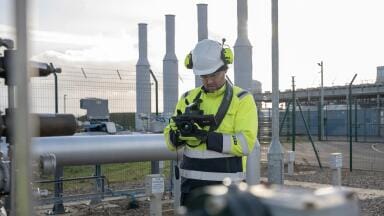
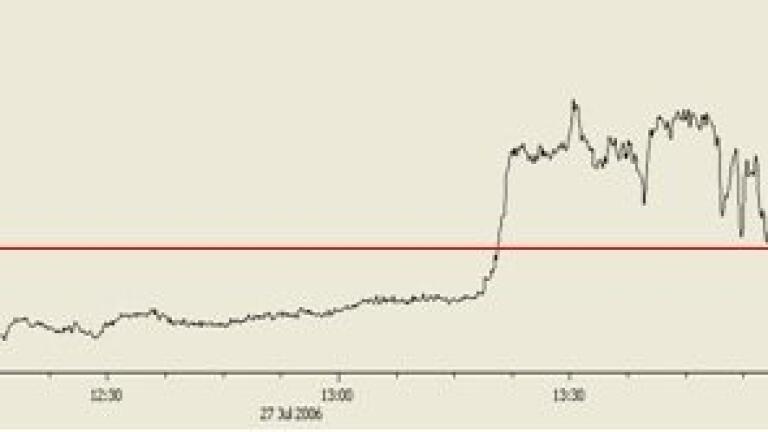
An operational disorder can be identified quickly using an online measurement at the outlet. The operator can initiate actions to limit the damage, for example by diverting the contaminated water into a separate tank pool or lagoon. This collected water is then cleaned again before it is discharged. This will not only avoid a possible ecological damage, but will equally avoid a costly financial penalty or even worse damage to their public image.
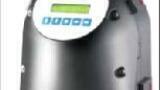
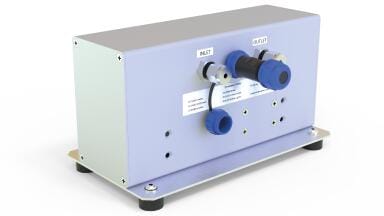
The oil trace monitor "OilGuard“ made by SIGRIST (Switzerland) combines approved UV-Fluorescence technique with unique features for a simple and reliable operation. The non-contact measuring principle of the oil-polluted water avoids contaminating the optics, thereby reducing routine maintenance. Calibration according to ISO Standard 9377-2 allows displaying the oil concentration directly in ppm.
The dual-beam optical setup compensates automatically ageing effects of the lamp and guarantees long-term stability.
IET Guide 2026

 Product directory