Water/wastewater
Published over 9 years ago. See the latest and most current information on Water/wastewater.
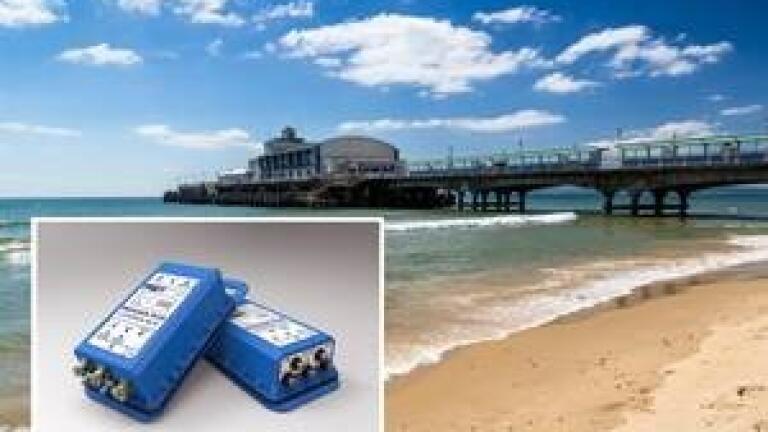
The Pegasus+ pressure control system from multi-utility monitoring and telemetry specialist HWM (UK) has helped Bournemouth Water (BW) reduce leakage by 1 Ml/d and achieve short-duration burst reductions of 54 per cent.
The pressure controller is responding directly to data recorded by HWM loggers at critical points (CPs) in the network and adjusting the delivery pressure. Phase one of the project has been completed, resulting in 17 new Pegasus+ installations. Phase two, currently undergoing commissioning and delivering predicted savings, will see another 62 units installed.
There were several reasons why BW chose HWM as the supplier for the project:
CP modulation – Pegasus+’s ability to control the delivery pressure of the pressure management valve, based upon always achieving 20m at the CP within the district metered area (DMA).
Time control – Tables built within the controller allow for specific time intervals during a day, week, month or year to control pressure at specific settings. For example, at peak demand, opening the valve slightly more than during low demand, when the valve could be throttled down.
Supplier confidence – BW has a long history of working with HWM and was reassured by the available support and product quality. BW knows that, if problems arise, HWM will be on hand to provide the necessary support to resolve the issue.
Value for money – HWM supplies a product capable of achieving the required level of control to help with good pressure management. Pegasus+ offers the same level of advanced technology as more expensive rivals.
Having traditionally adopted pressure management measures only in areas with existing high pressure, BW decided to use pressure management to reduce leakage across parts of its distribution network.
BW’s models showed that extensive pressure management could take place at DMA level and predicted potential savings and benefits that included: leakage reduction; overall volume savings leading to reduced production costs; reduced short-duration bursts; and extended asset life for the ageing network.
IET Guide 2026

 Product directory