Water pollution monitoring
Published over 11 years ago. See the latest and most current information on Water pollution monitoring.
When we turn on the tap and fill up a glass, go for a dip in the ocean or fry up a freshly caught fish from the local lake, most of us take it for granted that these are all safe actions. The reality is that behind the scenes, scientists work tirelessly to ensure that the quality of the world’s most valuable resource is as high as possible. From lakes and streams to coastal waters and estuaries, water quality monitoring is a critical practice carried out in countries across the globe.
So why is monitoring the quality of water so important? With the World Water Assessment Programme reporting that every day a staggering two million tons of human waste is disposed into water courses, keeping tabs on quality is critical! At its core, the practice serves five major purposes.
How is water monitoring carried out?
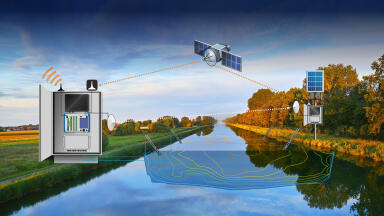
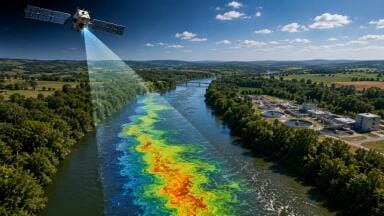
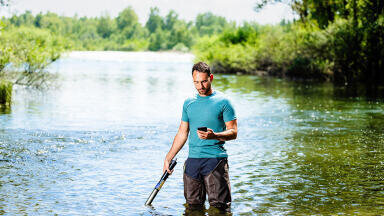
Water quality monitoring data is incredibly useful however it’s not always easy to gather. Specialists use a range of different techniques to put together results, including taking samples of chemical conditions, analysing sediments and using fish tissue extracts to find traces of metals, oils, pesticides, dissolved oxygen and nutrients. Physical conditions such as temperature, erosion and flow offer valuable insight while biological measurements regarding plant and animal life indicate the health of aquatic ecosystems.
At the end of the day, water quality monitoring is an essential part of keeping the planet healthy and sustainable. As we continue to build cities, clear land for farming and make other man-made changes to the natural environment, water quality monitoring becomes increasingly important. Land based activities can have a huge impact on water systems and it’s critical that we realise how these affect waterbodies, both above and below ground.
If you’d like a better understanding of water monitoring, you can read about it in action in this article, Water Pollution in Asia – A Brief Review of Monitoring Technologies, or find out what actually happens to data collected from water quality monitoring.
IET Guide 2026

 Product directory