Water/wastewater
Published over 4 years ago. See the latest and most current information on Water/wastewater.
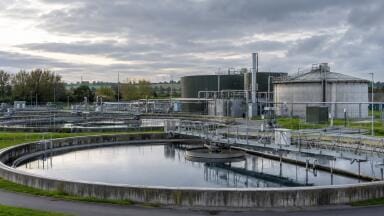
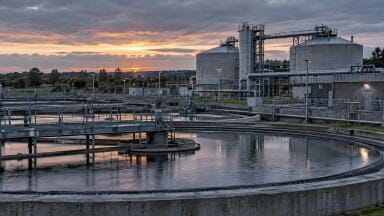
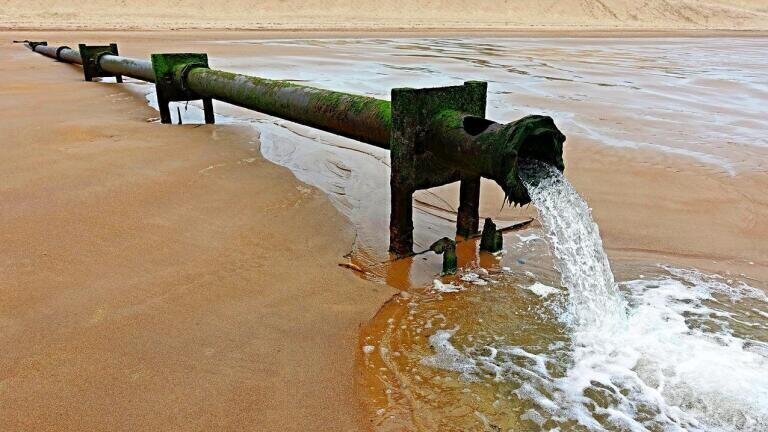
Stormwater overflows are a necessary feature of combined sewer systems, which collect and distribute rainwater and wastewater in the same pipelines. Although these systems are no longer being built and haven’t been favoured since the 1970s, they are still common throughout the UK. As such, stormwater overflows are needed to prevent flooding incidents.
That’s because such systems can become overwhelmed by an influx of rainwater during heavy precipitation, potentially flooding the surrounding area or even backing up into the drains of homes and businesses on the same grid. Stormwater overflows preclude this possibility by acting as a relief valve and releasing the excess fluid into rivers, seas and other watercourses in a controlled manner.
Nowadays, all plumbing and sewerage systems have separate pipes for wastewater and rainwater. However, this wasn’t always the case; the combination of the two meant that in extreme scenarios, the system could become inundated with too much liquid for it to handle, potentially resulting in environmentally damaging flooding incidents. Stormwater overflows were a necessary evil to prevent this outcome.
However, rapid population growth and urban creep has outpaced the development of water infrastructure in the UK. Although combined sewer systems have not been installed for decades, they are still prevalent throughout the country. Today, there are in excess of 15,000 stormwater overflows in England alone.
So if stormwater overflows perform a necessary function, why are they an issue at all? Well, climate change has led to a greater incidence of extreme rainfall events, meaning it’s more and more common for water companies to discharge untreated sewerage into the environment through their pre-existing stormwater overflow agreements with the regulatory bodies.
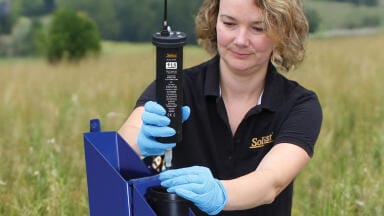
To make matters worse, there are suggestions that some companies are neglecting their environmental duties. As well as taking advantage of the stormwater overflow loophole to discharge raw sewage and stormwater more often than they should, some companies are not employing high-resolution monitoring methods, essentially rendering river conservation blind. Others are manipulating the data to avoid fines from the government.
After an analysis conducted by the Labour Party found that water companies in the UK have discharged raw sewage and stormwater for more than nine million hours over the last five years, the issue of stormwater overflows has risen sharply up the political and environmental agenda. A long-term solution to the problem would be to do away with stormwater overflows altogether, but this will take many years and many billions of pounds of investment to completely overhaul the system.
In the short term, the government are mandating that water companies must more thoroughly monitor to manage wastewater pollution, as well as report publicly on their discharges and put in place plans to improve their performance. This increased transparency should go some way to holding the transgressors to account, though it will take time, effort and money to effectively overcome the issue once and for all.
IET Guide 2026

 Product directory