Water/wastewater
Published over 11 years ago. See the latest and most current information on Water/wastewater.
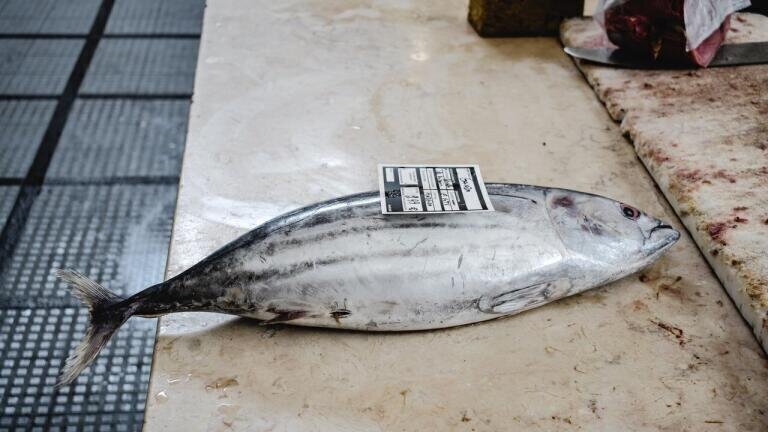
Following on from their work with dolphins, beluga whales and sea lions, the United States Navy has proudly unveiled its most recent animal acquisition – in the form of a Blue Fin Tuna. However, those looking to take a bite from this tasty-looking aquatic animal might find themselves having quite a shock: this animal is all robot.
Dubbed Project Nemo – a longstanding nautical name both in terms of the Captain and the lost fish of Disney fame – the robotic Tuna is the navy’s first ever mechanical spy fish.
It is hoped that the fish, which also goes by the moniker GhostSwimmer, will be able to collect data from areas of water where traditional reconnaissance is made impossible either by the danger of invading said area or the impracticalities of using traditional spy equipment.
Calling these areas “covert, riverine or littoral” it refers to shallow waters where a boat or submarine would be unable to pass or their use would be unfeasible. The tuna will “swim” at an approximate speed of 17 miles per hour for short periods of time or for longer at a speed of 3 miles per hour.
The fish is able to swim in one of two ways. It can either be programmed for a set route prior to launching or will carry an app from which it can be remote programmed to follow a threat, investigate or seek out a way in or out of foreign areas.
It will also be able to make images and recordings to allow for research and strategising should the need become apparent.
Developed by the United States Office of Naval Research, the idea of the GhostSwimmer is to appear, to all intents and purposes, like a real life Blue Fin Tuna, allowing it to go unchecked in enemy waters. Here it will perform a variety of tasks such as inspecting areas for explosives or hazards, collecting data about impending danger or likely attack and mapping shallow water to ensure the safety of larger vessels who may need to approach.
The Nemo Project is one of the first of its’ kind but a fish of similar design and abilities is already in use by the Department of Homeland Security where it has been put to work inspecting harbours for underwater explosives. Although the actual robotic fish has been captured swimming, and the results so far appear to be extremely promising, the project has not actually been rolled out as a working model as yet. Further testing is currently underway, and various military operatives have been putting the GhostSwimmer through its’ paces.
So far, the outcomes have been positive, both in terms of the abilities of the GhostSwimmer but also in its’ appearance which is of course extremely important in terms of covert operations. Jerry Lademan, the Marine in charge of the project gave his own first impressions of the design of the fish; “I thought it was a living fish. It’s crazy”.
If you’re looking for a more standard approach to water monitoring, this article looks at the different technologies available: Water Pollution in Asia – A Brief Review of Monitoring Technologies.
IET Guide 2026

 Product directory