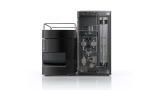
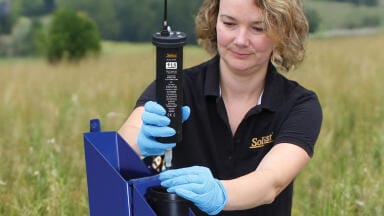
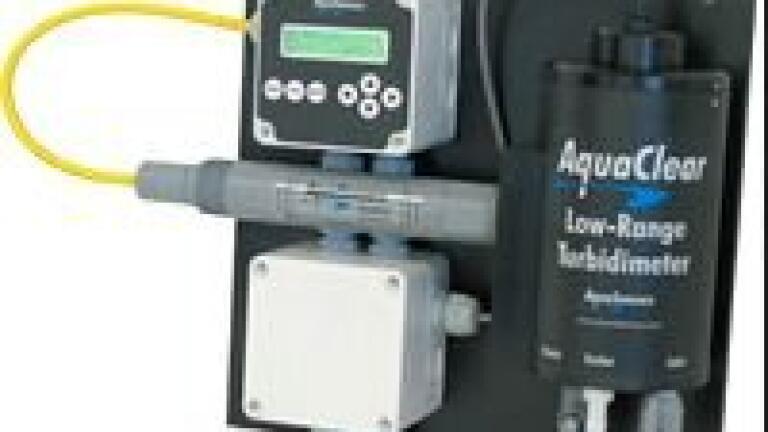
The AquaClearâ„¢ DataStick-based Low-Range Turbidimeter from AquaSensors (USA) meets or exceeds USEPA Method 180.1 for drinking water applications in a compact, easy to use package. Low sample chamber volume makes calibration simple and inexpensive, while offering sensitivity and performance optimized for both membrane and conventional filter monitoring. For drinking water treatment, now the hoice is clear for online turbidity monitoring!
AquaSensors designs and manufactures innovative analytical measurement systems for a wide range of water quality and process control applications. Their unique `direct-to-SCADA` product design reduces equipment and installation costs, while improving reliability in a wide variety of municipal and industrial water treatment applications.
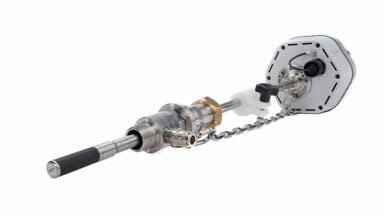
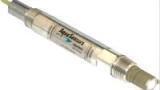
Their patented DataStickâ„¢ measurement system features pre-calibrated plug-in sensor heads that provide 24-bit data and can be calibrated, configured or diagnosed directly from a PLC or computer system. No
intermediate analyzer boxes are necessary!
Other measurements include pH, ORP, contacting and toroidal conductivity, resistivity, free chlorine, dissolved oxygen, dissolved ozone, high-range turbidity and suspended solids.

 Product directory