Water testing
We speak to Helmut Reber about how the water testing industry has evolved and where he sees the future direction going.
I trained as an environmental engineer. During my studies, water testing was already a core focus – alongside air and waste.
After university, I began working for a company in the water testing space. My work involved delivering seminars and training around the world - from Asia to South America to Europe.
The goal was always twofold. First, to raise awareness about why water testing is critical, and only then to talk about products or technologies.
Even today, water testing isn’t as widespread or as standardised as you might expect.
In many regions, there still requires a certain level of education about the need to monitor water quality consistently.
Yes, definitely.
There are always areas where more awareness is needed.
And as water quality issues become more urgent, that gap between knowledge and action becomes more critical.
Even in places where testing is routine, we’re seeing the need to expand those practices.
The importance of water testing has grown enormously.
That’s largely due to a decline in water resources worldwide.
Climate change is making accessible water scarcer. And that scarcity drives better and more frequent testing. Both before water is extracted and again if it’s reused.
We now test water not just to protect health but to ensure reuse and meet stricter environmental standards.
It’s become a cornerstone of sustainability.
There have been huge advances.
Today’s technology is smarter, more portable and more connected.
Testing systems now have to support not just accuracy but also easy data collection and management.
Without good data, there’s no way to decide how to treat or manage water.
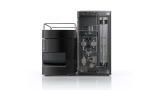
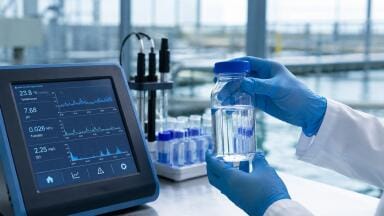
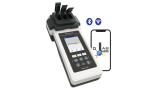
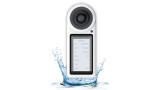
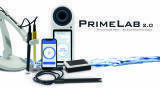
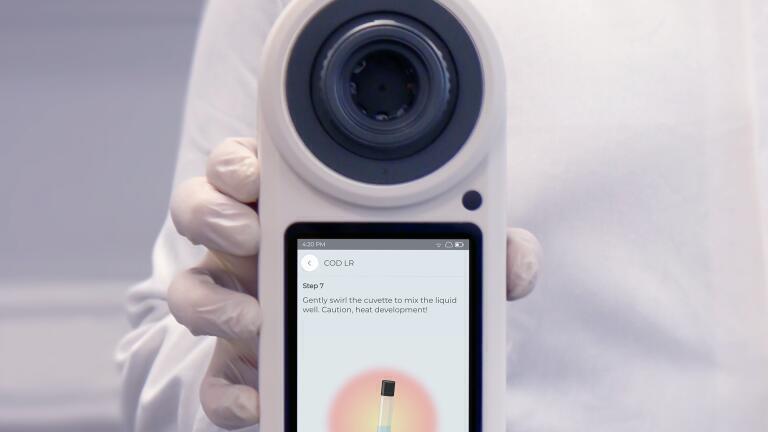
This is where innovations like Water-I.D. PrimeLab 2.0 photometer come into play.
It offers advanced multi-wavelength sensing, built-in connectivity and integration with cloud platforms and mobile apps.
It’s not just about getting a result anymore – it’s about what you can do with that data next.
Yes, there are countless examples.
In Bangladesh, for instance, arsenic contamination in drinking water is a major public health issue.
Proper testing and identification, ensures people can avoid dangerous sources. It has a real impact on health outcomes.
That’s just one example. In Europe, rivers that were too polluted to swim in decades ago, like the Rhine, are now safe. This is largely thanks to better monitoring and treatment.
The first step is always analysis. You can’t fix what you haven’t measured.
The biggest one is that people assume water must be visually dirty to be dangerous.
That’s simply not true.
The most harmful contaminants - like PFAS or pharmaceuticals - are invisible.
The water may look clean, but that doesn’t mean it’s safe.
This belief leads people to underestimate the importance of routine testing.
PFAS is a very timely topic. Many companies, including ours, are developing new ways to detect these compounds.
It’s a challenging area. PFAS compounds are numerous and persistent. They require very sensitive detection methods.
We’re also seeing similar challenges with antibiotics and pharmaceuticals in water.
These are complicated problems. But research and innovation are catching up quickly.
Data collection and management are becoming absolutely central.
It’s not enough to take a reading - you need to share and interpret the results quickly.
This is especially true in large-scale or remote operations.
For example, on cruise ships, water data might be sent back to headquarters thousands of miles away. Here decisions are made about how to treat the water on board.
This is where our own developments come in.
We’ve been focused on integrating app, software and cloud functionality into our Primelab 2.0.
This ensures seamless data transfer and real-time insights.
It’s about making water data more actionable.
The biggest issue is coverage.
There are still large areas where water isn’t tested enough.
Without adequate testing, we can’t treat water effectively.
The second challenge is data. Even when testing happens, if we don’t manage the data well, it’s impossible to make informed decisions.
We’re working hard to make testing easier to perform and the data easier to handle.
That includes intuitive interfaces, wireless communication and cloud connectivity.
I’d say there are two main trends.
First, even more emphasis on data – how do we gather, interpret and act on even more data.
And the second, making testing simpler and more accessible.
With user-friendly devices, we’re already making great progress.
But we need to go further to ensure everyone can perform accurate testing with little to no training.
Yes, definitely.
Testing costs money and takes time. So unless it's required, many people simply don’t do it.
Strong legislation ensures that testing becomes a standard part of water management.
We’ve seen this in many regions.
When laws mandate testing, the results are clear. It leaves cleaner rivers and safer drinking water.
So yes, regulations play a crucial role.
That the volume and consistency of testing matters just as much as the technology.
You can have the best equipment, but if you’re only using it occasionally or not analysing the data properly, it’s not enough.
We need widespread, routine testing supported by smart data management.
That’s how you get to reliable decisions.
Our focus is on making testing easier and smarter.
Our newest photometer system is a good example.
The PrimeLab 2.0 combines precise sensors with a very modern interface and robust data management tools.
You can connect via WiFi, use a cloud platform and even control everything via a mobile app.
But we don’t just build devices.
Water-ID supports users in making sense of their data.
That’s where we see our biggest impact – empowering people to take real action based on what the water data is telling them.
IET Guide 2026
 Product directory