A groundbreaking new project will employ robotic fish equipped with chemical sensors to help monitor
water quality and pollution levels in ports.
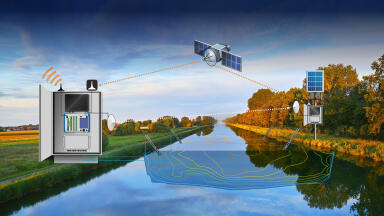
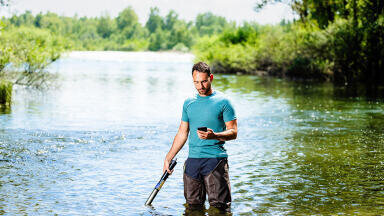
The robots, which are being developed by researchers at the University of Essex, will enable scientists and port authorities to keep check on ship-source pollution and other harmful contaminants.
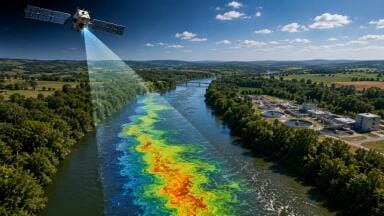
Designed to adapt quickly to any variations in the port environment, they can also be used to analyse any chemicals found and highlight areas where concentrations of pollutants are particularly high.
Professor Huosheng Hu, who will lead the Essex robotics team, said: "We will develop a team of robotic fish to search and analyse chemicals on the surface of the water, as well as those dissolved in the water."
The team received a share of £2.5 million to develop the robotic fish and it is hoped the technology will provide a significant step forward in
environmental analysis.
Earlier this month, issues concerning
water quality forced organisers to consider cancelling the annual world-famous Moomba Waterfest in Melbourne, according to the Herald and Weekly Times.
The Yarra River in which the event is held tested positive for contamination levels 1,200 times above the safe limit, with levels of e-coli found to be particularly high.

 Product directory