Water pollution monitoring
Published over 12 years ago. See the latest and most current information on Water pollution monitoring.
A Sussex estate has been fined after it released pollution into tributaries that led to the death of more than 4,000 fish. The Cowdray Estates was found guilty of causing water pollution along a three-mile stretch of waterways, which affected the local ecosystem. A fine of £5,000 was issued and the estate was also ordered to pay costs totalling £10,596 for offences that occurred in July 2012.
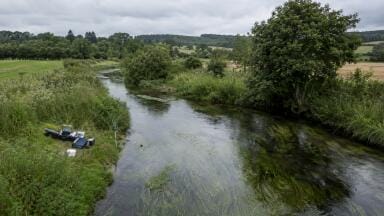
The pollution occurred during a routine logging operation, in which soil from the tree roots was able to spread from wetlands to a tributary of the River Lord. As the forestry activities and subsequent transportation of the logs took place during wet weather, the soil sediment was able to spread quite quickly.
Soil sediment from the uprooted trees ultimately made its way to a Surney Fish Farm, which resulted in a major fish kill. The owners of the farm contacted the Environment Agency to investigate the deaths. It was not the first time the Environment Agency had been called to the farm, as the month before this incident the agency was contacted about sediment affecting one of the lakes.
Following an investigation, the Environment Agency confirmed that sediment had caused water pollution and led to the death of the fish stock. It was also found that just over three miles of the watercourse had been affected by the sediment, which resulted in the farm's water intake having to be stopped for days to avoid any further fish deaths. This caused more problems for the farm on top of the death of over 4,000 fish.
The Cowdray Estate pleaded guilty to the offences and stated that the pollution was an accident and was not carried out deliberately. It also fully cooperated with the Environment Agency investigation, however the estate did admit to carelessness during the logging operation and that the heavy rainfall at the time should have been taken into account.
Mat Jackson, from the Environment Agency, said: “It is very disappointing that such a large estate with a great number of resources at its disposal failed to plan effectively to ensure that the sensitive local environment was not put at risk.
“As a result a large of number of fish needlessly died and a local fishery was devastated by a totally avoidable incident.”
IET Guide 2026

 Product directory