Water pollution monitoring
Published over 8 years ago. See the latest and most current information on Water pollution monitoring.
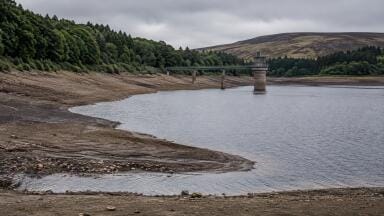
A recently published report on English water resources suggests that parts of the country could endure significant shortages as early as 2050 unless appropriate action is taken now. Among other dangers, the report identifies an ever-increasing demand from a swelling population and the threats posed by climate change as the two biggest pressures on water security in England.
The report, entitled “The state of the environment: water resources”, is the first of its kind to measure water security in England and identified a number of different factors which are endangering this most precious of natural resources. These include:
In order to avoid a nightmare scenario in which there is not enough water to meet the demands of the population, the problem will require a concerted effort from individuals, businesses and governments. Private citizens can limit their water consumption through everyday means such as showering for a shorter period, not watering the grass using a hose and turning off the tap when brushing teeth.
Water companies can work to tighten up leaks in their system and reduce the billions of litres lost daily, while industry can investigate more innovative ways to meet water security challenges. For example, technological advances could mean that wastewater poses a viable alternative to traditional sources of potable water, and investment in research to such ends is necessary in order to bring the idea to fruition.
Finally, governments must implement national and international plans to curb climate change, reduce water consumption and bring down pollution. A top-down and a bottom-up approach, working in tandem, is the best method of securing enough water for everyone today, tomorrow and beyond.
IET Guide 2026

 Product directory