Wastewater analysis
Published over 5 years ago. See the latest and most current information on Wastewater analysis.
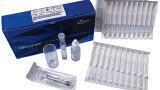
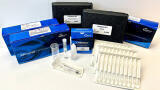
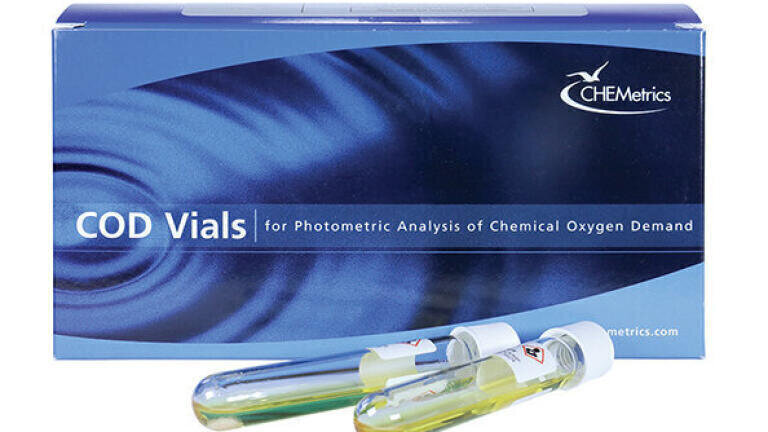
CHEMetrics® offers two methods (USEPA-accepted and mercury-free) for the determination of COD levels in wastewater—at a much lower cost than competitive vials.
Measuring chemical oxygen demand (COD) is one of the most frequently performed tests for assessing water quality. It is widely applied in municipal wastewater facilities and industrial wastewater treatment plants to determine the degree of water contamination and to evaluate the efficiency of treatment processes.
Products using the USEPA-accepted method contain mercuric sulfate in the reagent to eliminate chloride interferences. A more readily disposable, mercury-free product line is also available for applications in which chloride interference is not a concern and USEPA reporting is not required.
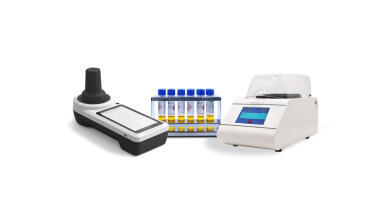
Available in standard 25 and 150-count eco-friendly packaging, CHEMetrics COD Reagent Vials can be used with CHEMetrics photometers, and any spectrophotometer that accepts a 16 mm cell, including Hach instruments using their factory-programmed calibrations. A generic calibration equation is included for use with other spectrophotometers. Calibration standards to verify the accuracy of test results or to generate calibrations are available as well.
IET Guide 2026

 Product directory