Wastewater analysis
Published over 5 years ago. See the latest and most current information on Wastewater analysis.
After the novel coronavirus was first discovered in Wuhan City in China in December 2019, it subsequently spread to the rest of the world in rapid fashion, prompting the WHO to declare a global pandemic. Since then, the scientific community have been using all avenues of research available to them to learn as much as possible about this deadly disease.
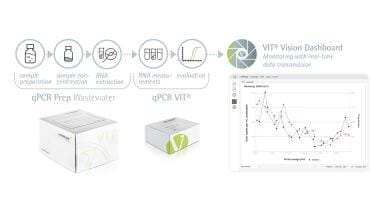
One such avenue is wastewater-based epidemiology (WBE), which analyses human sewage for traces of the virus’s genetic material. This has been a highly useful method of detecting the presence and prevalence of the disease in a given population before it becomes apparent through hospitalisations and individual diagnostics tests. But what have we learned about coronavirus from wastewater monitoring since the initial outbreak?
As soon as it was discovered that traces of COVID-19 could survive in wastewater, scientists began applying their existing knowledge of WBE to the subject. For those interested, the article Rapid detection of risks to microbial safety of water using BACTcontrol rapidly detecting faecal pollutions related to microbial infections, recently including COVID-19 contains plentiful information on this fascinating area of research.
Studies were quickly put into action at academic institutions across the country, involving such colleges and universities as Imperial College London, the University of Edinburgh and the University of Bath. Meanwhile, a Professor from Middlesex University began overseeing a collaborative programme of research involving stakeholders from all over the world, at the same time that similar initiatives were launched in countries as diverse as Luxembourg, Finland, France and the Netherlands.
The cumulative findings that have been unearthed by these various research teams – and the collaboration which has allowed for the sharing of data and the exchange of ideas – has been instrumental in expanding our knowledge of how the virus behaves in wastewater. Here are some of the key findings thus far:
Perhaps most importantly of all, wastewater monitoring for COVID-19 is very important as it can furnish scientists, medical professionals and local authorities with an early warning that a virus hotspot is likely to surface. This gives them the time they need to take appropriate social distancing measures (such as the closure of retail, hospitality and industry venues) and the diversion of resources necessary to contain the spread of the disease.
IET Guide 2026

 Product directory