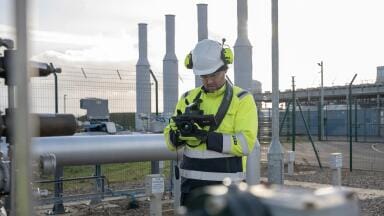
Stack monitoring
Published over 17 years ago. See the latest and most current information on Stack monitoring.
Dioxins, furans and PCB are three classes of micropollutants classified as persistent and organic pollutants known at international level.
The most known dioxin, because believed the most dangerous, is the tetrachlorinated dibenzo-p-dioxins (2,3,7,8 TCDD), and is considered the reference dioxin.
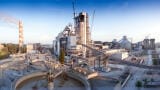
Responsible of dioxin production, beyond wood combustion (domestic heating, accidental wood fire), caused by men activity are: incineration of urban and hospital waste, steel production from iron scrap and cement plants.
Dioxins are odourless and thermal stable molecules till 600 degrees C, but insoluble in water and strongly liposoluble. Their stability makes possible an accumulation of them on the ground, and being capable of melting in the food chain fats it is said that dioxins are not breathed
but are eaten. By accumulation, dioxins can provoke serious damages to human immune, reproductive and endocrine systems. The increasing awareness of the dangers of these compounds for human health generated a compelling need for a better understanding of dioxin stack emissions.
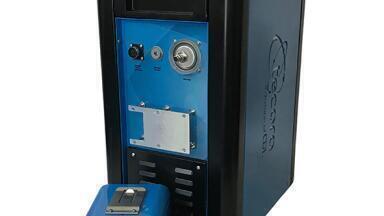
Therefore, based on such requirements TCR Tecora (Italy), leading manufacturer of stack testing instruments and environmental monitoring samplers since 1974, designed and produced DECS, a Dioxin Emission Continuous Sampler, which is a fixed system for stack emission for determination of dioxins and furans on long term.
According to EN 1948 and USEPA 23, DECS adopts the filter condenser method with adsorbing trap on wet gas.
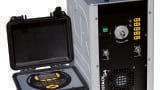
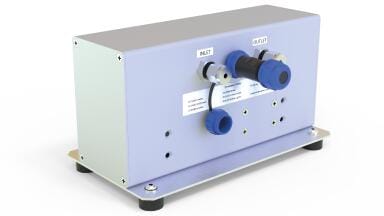
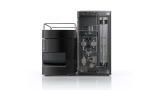
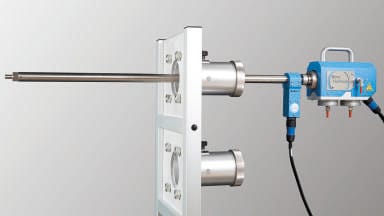
DECS consists of 2 units: the sampling unit and the control unit. The sampling unit is the part to be mounted on the stack`s sampling point and its aim is the collection of the sample in its two phases (particulate and gas) without modifying its composition.
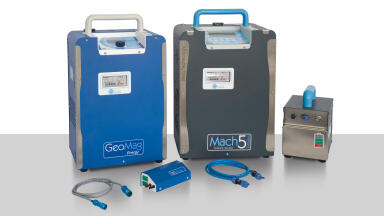
The control unit is the user interface that controls all system`s functions; it is usually located in a safe and easily accessible area. Built in an industrial cabinet, it`s connected to the sampling unit through pneumatic and electrical connections.
IET Guide 2026

 Product directory













-corr.jpg)