
Portable gas detection
Published over 10 years ago. See the latest and most current information on Portable gas detection.
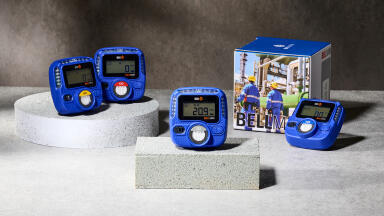
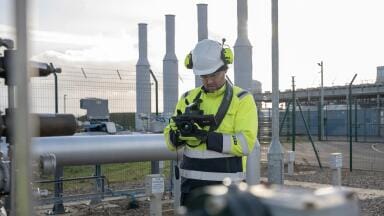
Portable gas detectors from GMI have MED approval which means that they are a suitable gas detecting instrument to be used in marine applications to comply with SOLAS regulation XI-1/7 for carrying out confined space entry on board ships and marine vessels.
a1-cbiss recommend the use of the PS200 and PS500 for confined space testing thanks to the battery saving features, man-down alarm capabilities and datalogging/bump testing using the ABC docking station.
Buying GMI products from a1-cbiss means that you get access to free product training from our technical sales managers anywhere in the UK. Our advisers can visit your site and provide training for one person or a team of people.
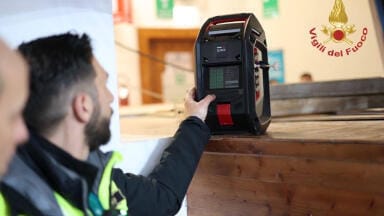
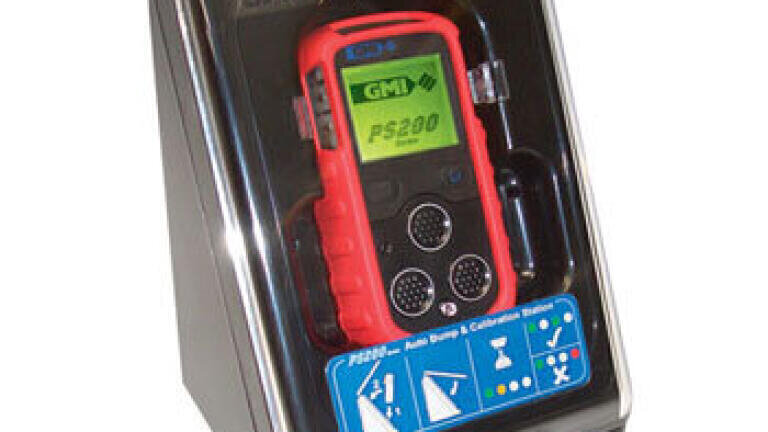
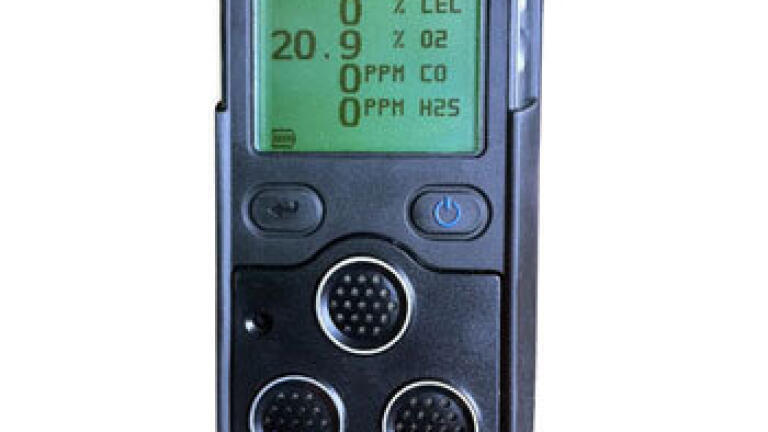
The PS200 is a confined space gas detection monitor capable of detecting and displaying up to four gases simultaneously. It is suitable for hot works, confined space and harsh applications in a range of industries. The PS200 is able to withstand a drop up to three metres (without the protective casing).
The PS200 offers:
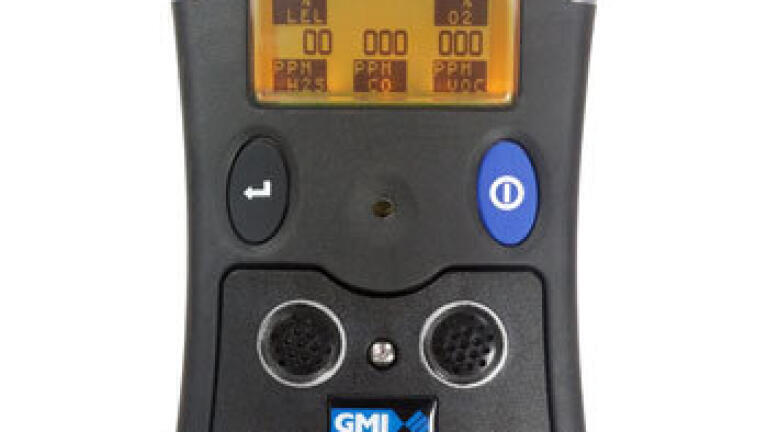
The PS500 is an innovative five Gas Detection Monitor which offers a 'Plug & Play' option, allowing you to ‘plug in’ a new board with a different gas range using toxic and catalytic sensors, Photo Ionisation Detectors (PID) and Infrared (IR) capabilities.
Maximise battery life with the option to carry out pre-entry checking to confined spaces with a pumped gas detector. Switch off the pump for diffusion monitoring and preserve battery power.
The PS500 offers:
Auto Bump/Calibration (ABC) Station
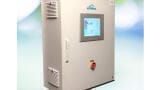
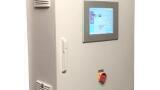
The Auto Bump/Calibration station provides intelligent testing and calibration of the GMI PS200 portable gas detector. Simple to use, with a durable, user friendly design, this automated test station offers high performance from a PC or stand-alone unit.
The Auto Bump/Calibration station dramatically improves compliance record-keeping, efficiency and accuracy. Once the PS200 is placed in the dock it can be tested, calibrated and charged. Extremely cost effective, the station requires no testing and only requires minimal effort by users.
For more information contact a1-cbiss
IET Guide 2026

 Product directory