Gas sensors
Published over 16 years ago. See the latest and most current information on Gas sensors.
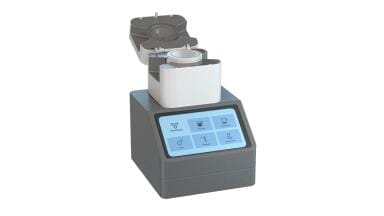
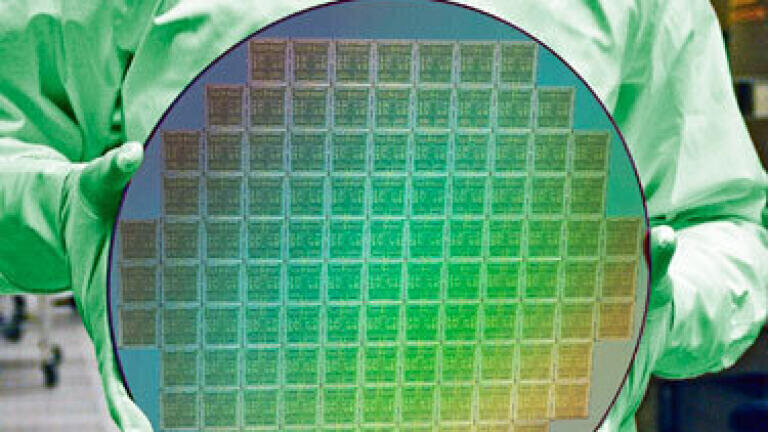
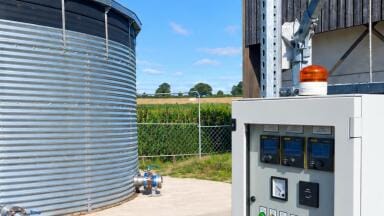
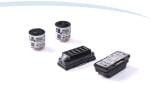
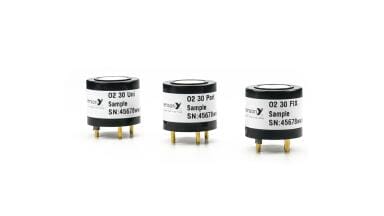
City Technology (UK) has enhanced and extended its premium Sensoric family of hydride exotic gas sensors. Certain hydride gases, notably arsine, silane, phosphine, diborane and hydrogen selenide, play a critical part in semiconductor, photovoltaic material and metal leaching manufacturing processes, but, given their highly toxic, corrosive and explosive nature, exhaustive monitoring is essential to ensure safe work environments and properly functioning processes.
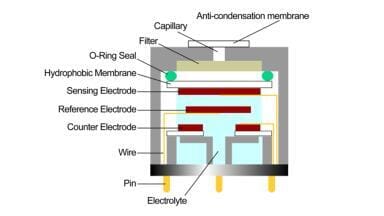
The new generation sensors all use a patented ionic liquid electrolyte to provide much improved output level stability, responsiveness and overall performance improvements in the aggressive environments in which they operate. The new arsine and silane sensors are improved versions of existing gel based devices, and three new sensors, characterised to detect phosphine, diborane and hydrogen selenide, have also been introduced. The ionic liquid combination has excellent thermal stability with no measurable vapour pressure, giving outstanding results when subjected to wide variations in operating temperature, relative humidity and gas flow rates.
IET 36.5 Sept/Oct 2026


 Product directory
















.jpg)