Gas sensors
Published over 17 years ago. See the latest and most current information on Gas sensors.
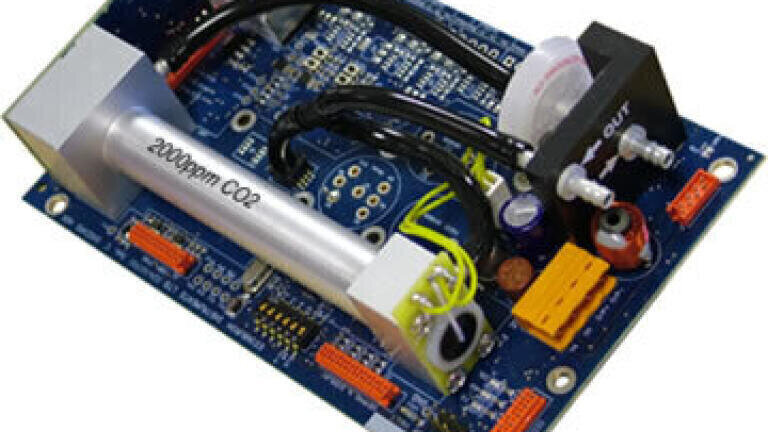
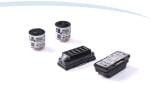
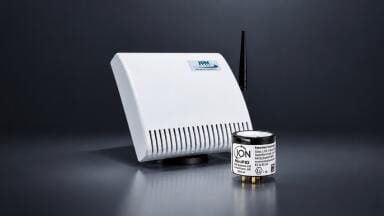
Edinburgh Instruments (UK) has a well-deserved reputation in the arena of infra-red gas sensing technology, with a track record spanning over 20 years. The company is continuing to build on this reputation with the introduction of its next-generation OEM sensor, named the Gascard NG.
Utilising established and proven technology from the existing Gascard range of instruments, the Gascard NG not only addresses existing customer requirements, being backward-compatible with the current Gascard model, but it also provides for future extendibility and functionality through improved communications and configuration options. The main highlights of the Gascard NG are: Backward-compatibility with the current generation of Gascard detectors; Automatic temperature and pressure correction via on-board sensors; On-board RS232 communication; TCP/IP communications protocol option; Field-replaceable IR source; Windows-compatible data logging software; Enhanced configuration options for future extendibility to incorporate additional gas detection technologies. Initially released in CO2 ppm & low per cent volume configurations, the range has now been extended to include all the different measurement ranges for CO2 as well as the other target gases covered by the current Gascard model, such as CO and CH4.IET 36.5 Sept/Oct 2026


 Product directory



















.jpg)