Gas detection
Published over 11 years ago. See the latest and most current information on Gas detection.
The measurement of total gaseous mercury is a challenge due to chemical reactions and contamination. The installed systems will often require a lot of maintenance still not giving reliable results.
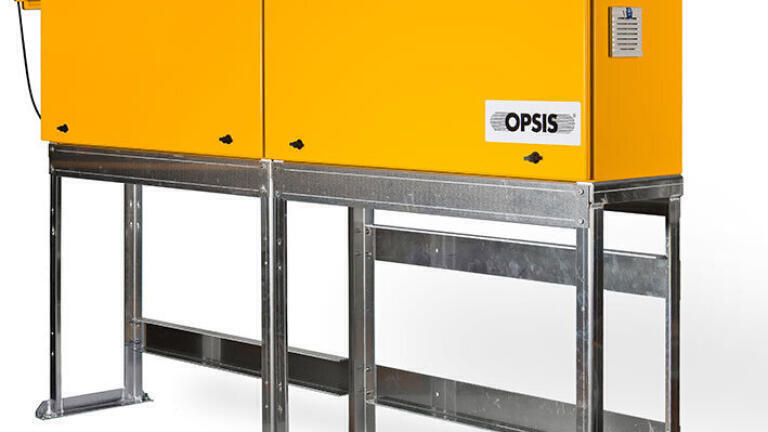
The OPSIS System400 Hg DOAS system is different and provides the plants with an accurate analyser that will operate with a minimum of maintenance.
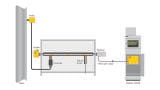
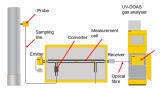
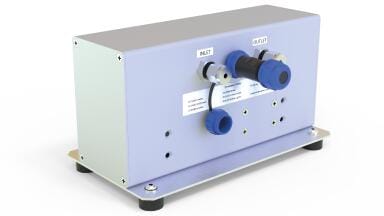
The OPSIS System400 Hg DOAS system is based on a non-contact method using an optical path. For the measurement of total gaseous mercury, the gases will pass a dry catalytic converter before entering into the optical measurement path.
The OPSIS system has low cost of ownership based on few moving parts, long intervals between calibration, easy operation and low energy consumption.
Features:
Tests and Approvals
The OPSIS system has been tested and approved by a number of internationally recognized institutes and authorities.
The system meets the European directive for waste incinerators and is approved according to EN15267.
OPSIS Product Portfolio
OPSIS has a full product portfolio for measurements of gases in a range of applications. It includes complete CEM systems including reporting, process analysers for raw gas measurements, TDL (Tuneable Laser Diode) analysers for NH3, HCl, and O2, oxygen analysers, and compact analysers based on dilution extractive. Besides the measurements of total gaseous mercury, the same analyser system can measure a large number of other gases required by legislation such as NOx, SO2, CO, CO2, NH3, H2O, HF, and HCl. In addition, we offer complete software solutions including data handling and reporting.
Watch our video about Hg monitoring with System400 on OPSIS Play.
For further information on OPSIS Hg system, please contact Lars Henriksson, Sales Director, or visit our website.
IET Guide 2026

 Product directory