Environmental laboratory
Published over 17 years ago. See the latest and most current information on Environmental laboratory.
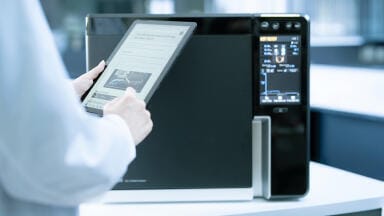
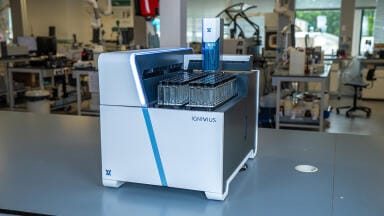
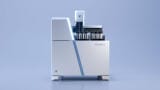
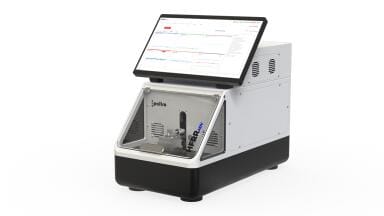
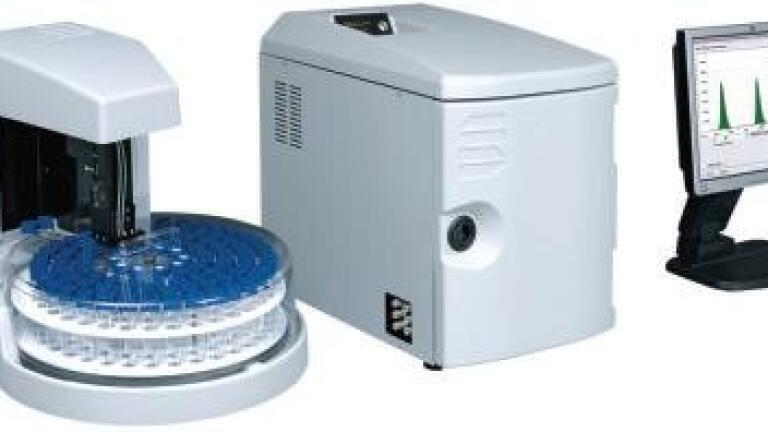
The new Skalar FormacsHT TOC/TN analyser is based on high temperature catalytic combustion. The analyser features a versatile modular design and excellent performance for the analysis of TC, TIC, TOC, DOC, NPOC, TN and NO3/NO2.
The new design was developed to conform to latest customer requirements and is able to determine low levels of TOC in ultra clean waters such as pharmaceutical and drinking waters but also performing equally well for the analysis of waste, surface, seawater and soil extracts.
The TOC/TN analyser can be operated as a stand-alone analyser where sample and standard solutions are introduced directly through a sipper tube for analysis. For larger sample numbers an optional random access auto-sampler is available with different carrousels to accept sample vials of different volumes. Sample pre-treatment for NPOC determination is fully controlled by the operation software and can be selected as the preferred mode by the operator. The instrument has the possibility with a dual needle configuration to acidify and purge the sample following the one being analysed, this saves valuable analysis time. Additionally, the analyser can be extended with the optional TN detector and unique NN reactor for Total Nitrogen and Nitrate/Nitrite analysis.
IET 36.5 Sept/Oct 2026


 Product directory