CEMS
Published over 11 years ago. See the latest and most current information on CEMS.
In Helsinki, a large underground wastewater treatment works is using a Gasmet (Finland) FTIR gas analyser for continuous emissions monitoring of pollutants such as greenhouse gases. This helps the plant in its efforts to combat climate change and also helps wastewater treatment process optimisation.
The FTIR analyser enables the plant’s managers to measure the effects of process control on the emissions of greenhouse gases (GHGs) such as carbon dioxide, methane and nitrous oxide. This also provides the team with an insight into the fate of nitrogenous compounds within the wastewater stream.
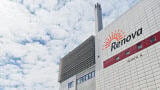
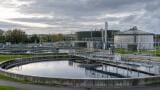
The Viikinmäki plant is the largest wastewater treatment facility in Finland and was built almost entirely underground to avoid freezing temperatures. The treatment process is based on the activated sludge method and includes three phases: mechanical, biological and chemical treatment. Traditional nitrogen removal has been enhanced with a biological filter that utilises denitrification bacteria.
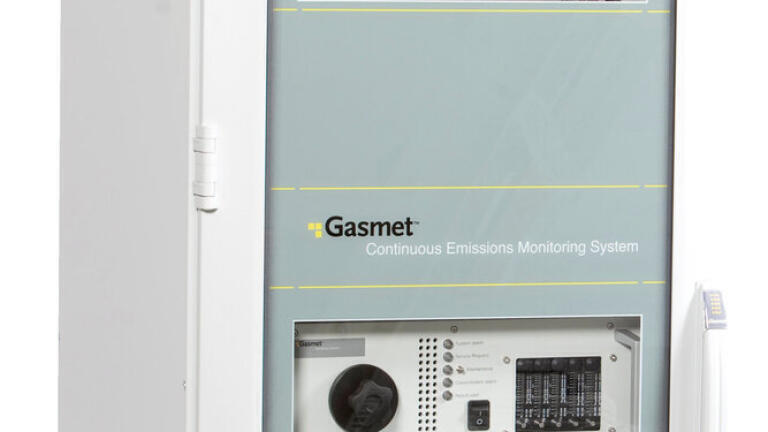
Initially, a portable FTIR analyser from Gasmet was hired for a short period to assess the plant’s emissions and for research. However, as Mari Heinonen, Process Manager at Viikinmäki, reports: “The emissions data were very interesting but they were not representative of the annual emissions, and posed more questions than they answered. We therefore purchased a continuous emissions monitoring system (CEMS) from Gasmet, which was installed in late 2012.”
The Gasmet CEMS at Viikinmäki continuously displays emissions data for CH4, N2O, CO2, NO, NO2, and NH3. Commenting on its performance, Mari says: “The system has performed very well, with little maintenance required. Zero point calibration with nitrogen (background) just takes a few minutes each day and is fully automated. Water vapour calibration is conducted at least once per year, but under normal circumstances no other calibration is necessary.”
Looking forward, Mari believes that it will be possible to use the gas monitoring data to improve process control: “Traditional monitoring/control systems focus on concentrations of oxygen, nitrate and ammonia in the water, but if we detect high levels of N2O gas for example, this may indicate a problem in the process that we can use as a feedback control. The monitoring data for gaseous nitrogen compounds (N2O, NH3, NOx) complements water analysis and provides a more complete picture of the nitrogen cycle in the treatment process.”
IET Guide 2026

 Product directory














.jpg)