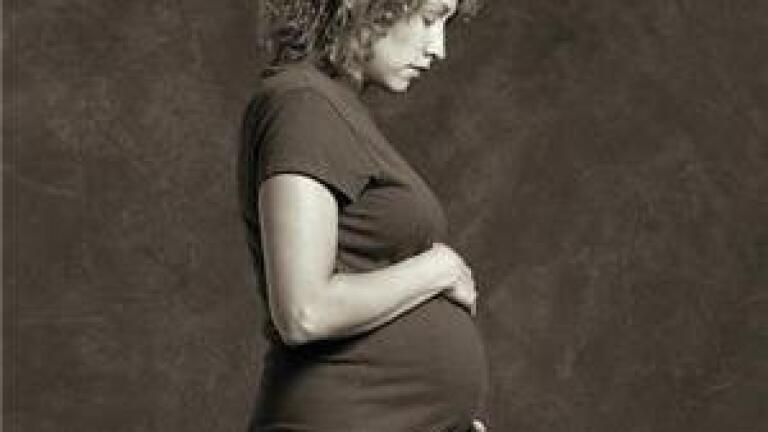
Expectant mothers who live close to busy roads and are, as a result, exposed to poor
air quality are more likely to have smaller babies.
These are the findings of a study carried out by researchers at the University of Medicine and Dentistry in New Jersey, which examined data from 336,000 babies born in the area between 1999 and 2003.
Published in the Journal of Epidemiology and Community Health, the research concluded that, in particular, sooty particles and nitrogen dioxide affect the development of unborn babies.
It also discovered that when other factors, such as the age of the mother, poverty, ethnicity and smoking were taken into account, traffic pollution could still viably be linked to reduced growth of the foetus.
Further research from the Centre for Environmental Genetics at the University of Cincinnati concluded that unborn babies exposed to traffic pollution in the womb may be more susceptible to asthma.




 Product directory






















.jpg)