Air monitoring
Published over 7 years ago. See the latest and most current information on Air monitoring.
The World Health Organisation identifies Radon gas as the second risk factor in the occurrence of lung cancer with over 10% of cases linked to excessive Radon exposure.
We are all exposed to radiation from natural and man-made sources. Radon is a colourless, odourless radioactive gas formed by the radioactive decay of the small amounts of uranium that occur naturally in all rocks and soils.
Radon in soil is the biggest source of Radon in indoor air and presents a greater risk than Radon in drinking water. Properties built in certain areas around the world are more likely to contain high levels of Radon due to the underlying geology and varying amounts of uranium present. When it permeates the ground into open air, Radon is quickly diluted to low concentrations. However, if it rises into a building, it can become trapped and increase to dangerous concentrations. Alpha particles produced by the radioactive decay of inhaled gas cause irreparable damage to lung cells.
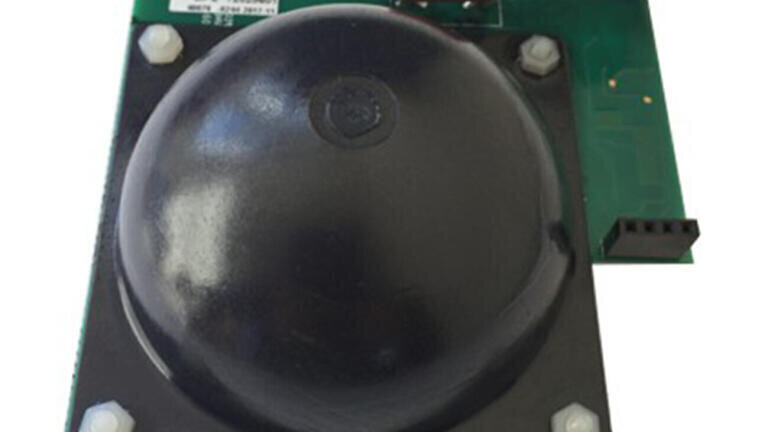
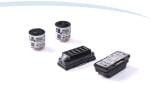
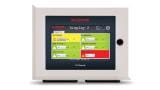
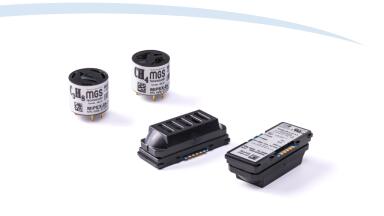
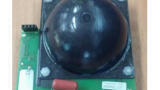
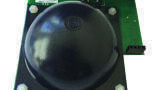
The Euro-Gas Radon SS sensing component detects field range of 0-65,000Bq/m3 levels. With a uniquely designed high performance phototransistor sensor, it has a standard range of 1750pCi/l Rn. Its easy-to-use advanced technology makes it an ideal sensor for installation into both portable and fixed detection equipment in air quality and gas detection, delivering a complete set of information for instantaneous and average Radon alpha particle concentrations.
To find out more, please contact Euro-Gas Management Services Ltd at [email protected] visit www.euro-gasman.com
IET 36.5 Sept/Oct 2026


 Product directory


.jpg)









.jpg)
.jpg)