Air monitoring
Published over 10 years ago. See the latest and most current information on Air monitoring.
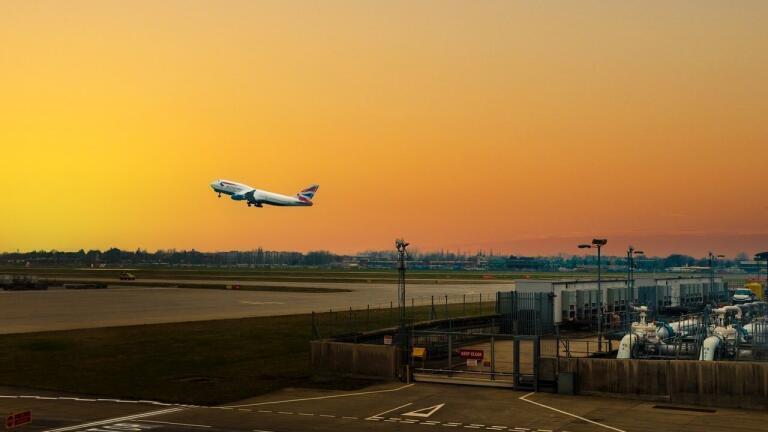
Earlier this month, executives at Heathrow Airport attempted to convince a government committee that it should be allowed to expand its operations to include a third runway. The airport has been campaigning for expansion for several years now, with heavy opposition to the plans from environmentalists and local residents leading to an outright rejection five years ago.
Now, the airport has put in place a series of amendments to its expansion plans which it hopes will allow both politicians and local people to look on the scheme more favourably. The pitch was made to the Parliamentary committee on Wednesday the 4th November, with a decision expected to be reached by the end of the year.
The UK’s Environmental Audit Committee received new data on the proposed plans, including expected figures on carbon emissions, noise pollution and air quality levels. The proposal was delivered by a panel of Heathrow officials, including its chief executive John Holland-Kaye, former chairman of the Airports Commission Sir Howard Davies (who gave the plans the green light back in July, amid controversy) and Matt Gorman, the environmental and sustainability director for the airport.
Among other measures designed to appease protesters, the Heathrow team have promised:
After Heathrow was selected as the London airport most desirable for expansion, Prime Minister David Cameron has faced significant pressure from environmental and political groups to boycott the plans. However, this latest set of proposed improvements could provide the political cover Cameron needs to cave in to big business demands and approve the operation.
Despite the apparent compromises being made by the Heathrow executives, many people remain disgruntled. In addition to the some 800 local residents who will have to make way so that their houses can be demolished to accommodate the new runway, there are also plenty of other locals who fear the increased road traffic and noise and air pollution that the expansion will inevitably entail.
Meanwhile, the organised group Stop Heathrow Expansion maintains its antagonistic stance on the plans. According to their website, the group believe that Heathrow “is the only major UK airport where air pollution levels remains stubbornly above EU legal limits” and have suggested Gatwick as a more viable alternative.
Heathrow officials, however, remain unconvinced and have pledged to push forward with the expansion.
IET Guide 2026

 Product directory





















.jpg)