Air monitoring
Published over 7 years ago. See the latest and most current information on Air monitoring.
Like many of the aspects surrounding the UK’s imminent departure from the EU, it’s unclear exactly how a post-Brexit Britain will function in environmental terms. In a bid to clarify and cleanse these muddiest of waters, the Department for Environment, Food and Rural Affairs (DEFRA) published its latest Clean Air Strategy at the beginning of the month.
The main focus of the report was particulate matter (PM) pollution, said to be one of the biggest causes of respiratory and cardiovascular ailments in the country and a leading cause of premature death. In particular, DEFRA promises to clamp down on agriculture, open fires and the use of wood-burning stoves in a bid to curb the high levels of PM found all over the country.
Although the government have called their strategy “a world-leading plan” with a “bold new goal”, critics have claimed it is light on details and ignores the prominent issue of vehicular emissions altogether. It’s unclear whether how quickly the new rules will be introduced after Brexit and whether or not they will alter at all in 2019, but here are the major areas where the Clean Air Strategy promises reform:
The announcement of the strategy has met with a lukewarm reception from environmentalists and sceptics. In particular, those concerned cited the lack of detail contained within the plan and suggested the government were making all the right sounds, without actually implementing measures to back up their rhetoric.
“The government has made a welcome commitment to set an ambitious new target for cleaning up the most dangerous fine particle air pollution, based on WHO standards,” explained a spokesperson for Friends of the Earth. “But while the WHO says standards should be reached by 2030, there is no date set in the government's strategy and the plan is severely lacking in detail on how such a target could be met.”
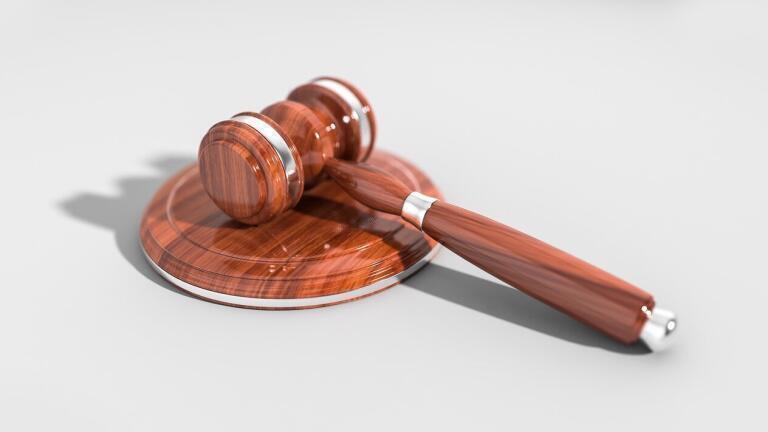
Meanwhile, the complete neglect of vehicular emissions in the report has exasperated many commentators. The government have now been taken to court three times over their inertia on tackling air quality in urban spaces, and the decision not to build upon previous paltry commitments to reduce transport-related pollution has not gone down well. As such, Brexit is likely to bring about much upheaval for the UK across many sectors, but the environmental impacts may not make themselves known in 2019.
IET Guide 2026

 Product directory
















.jpg)