Indoor air quality monitoring (IAQ)
Published over 11 years ago. See the latest and most current information on Indoor air quality monitoring (IAQ).
A wearable tracking device promising to bring environment monitoring to your fingertips, Tzoa allows the user to measure air pollution and UV exposure on the go using advanced sensor technology.
While the project’s crowd-funding campaign failed to hit its target in December, the group behind the sensor have worked with a number of health and technology professionals to produce a working prototype, and hope that Tzoa will eventually create a crowd-sourced real-time map of environmental data.
The custom technology at the core of Tzoa is a cutting-edge optical air quality sensor that detects particulate matter (PM) 2.5 and 10. These tiny airborne particles can cause damage to our lungs.
The sensor works by counting individual particles, displaying concentrations, and differentiating between PM10 which tend to be allergens and PM2.5 which is detrimental to human health.
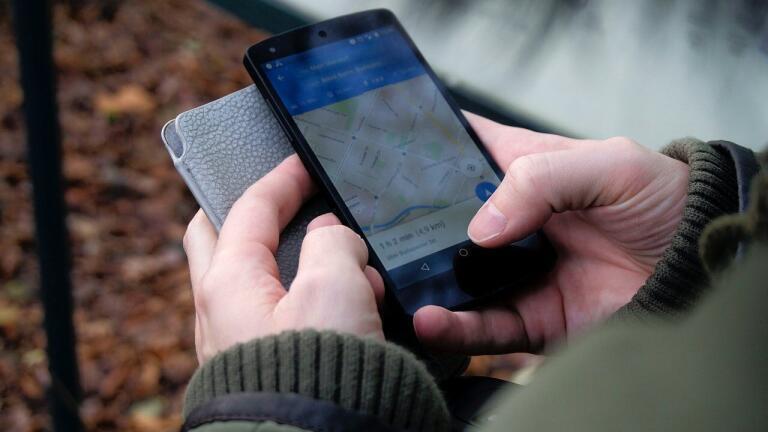
The data collected from each Tzoa sensor will be streamed to iOs and Android smartphone apps where it will be processed and used to create visual, real-time maps of air pollution and UV exposure across the world.
Coupled with the release of their open API, the founders of the project hope that the sourced environmental data will be used to further produce creative apps and platforms with more health benefits, such as fitness and how air quality may impact sleep.
The Tzoa team understand that monitoring air quality and UV exposure on the go is not always convenient, and the Tzoa’s LED feature allows users to receive instant feedback without having to pull out their smartphones. The LED built into the sensor will provide colour codes based on the air quality, enabling feedback on the immediate environment when the user is jogging or cycling.
The Tzoa can also be used indoors, monitoring changes in temperature, humidity, and ambient lighting. With the majority of people spending 90% of their time indoors, the sensor may assist with enhancing moods and increasing productivity.
When it comes to the sensor's design, the Tzoa will be customisable with a number of interchangeable designs to complement the user’s style.
With the quality of air a major concern in cities across the globe, the founders of the Tzoa believe that everyone should have access to real-time environmental data about the air that we breathe. Health risks surrounding air pollution are a concern for governments and the general public alike, and the Tzoa hopes to provide unrestricted data about street-level air quality to enable everyone to discover and identify potential health risks, and make informed decisions and improvements for a cleaner future.
If you’d like to take an in-depth look at the assessment and forecasting of air quality, read this fascinating article: Air Quality Assessment and Air Pollution Zoning of Hanoi Using Air Quality Index.
Currently, the European Union is funding a nanotechnology-led project, which will enable people to access information regarding air quality via their smartphones. Titled IAQSense (IAQ for Indoor Air Quality), project aims to "develop new nanotechnology-based sensor systems that will precisely monitor the composition of the air in terms of both chemical and bio contaminants." For more information on this fascinating story, read: Your Next Smartphone Could Monitor Indoor Air Quality.
IET 36.5 Sept/Oct 2026


 Product directory




.jpg)