Weather monitoring
Published over 12 years ago. See the latest and most current information on Weather monitoring.
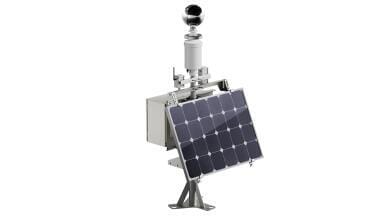
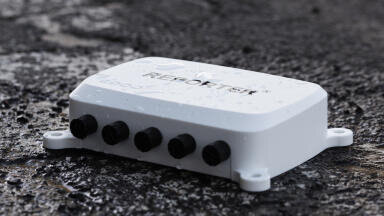
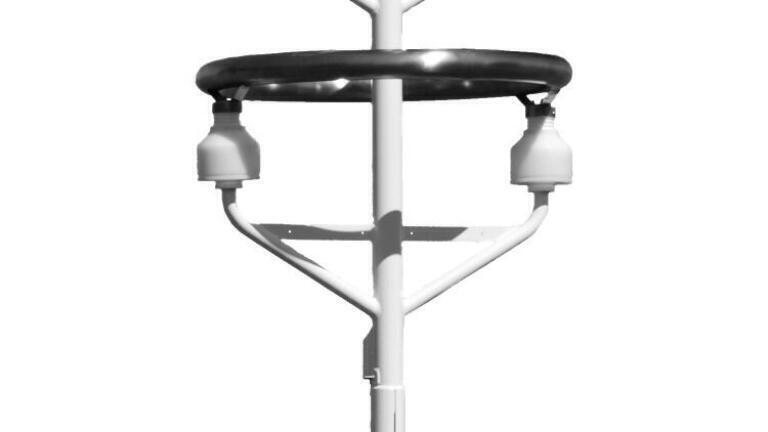
Biral (UK), a global specialist in meteorological equipment and weather sensors, has launched an innovative and efficient thunderstorm detection system. The detector avoids the often-complex method of measuring the radio signal produced by lightning by using a quasi-electrostatic field-change technique.
Biral’s sensor uses multiple co-located antennas of different geometry to differentiate between localised electric field sources and distant yet powerful thunderstorms. Every type of lightning is able to be detected by the high performance system; both cloud to cloud and cloud to ground lightning is monitored and measured.
The detection of thunderstorms is essential to protect lives and infrastructure. Advance knowledge of such storms allows us to prepare for unpredictable weather and dangerous conditions. To allow industries to assess the direction of a thunderstorm as well as its distance from the site, Biral is developing an additional module that uses a radio frequency magnetic direction finding method. Through the quasi-magnetic antenna system, the company has eliminated the necessity for this module to discriminate between lightning and other radio noise, significantly reducing the possibility of false alarms from radio interference.
IET Guide 2026

 Product directory