Water/wastewater
Published over 12 years ago. See the latest and most current information on Water/wastewater.
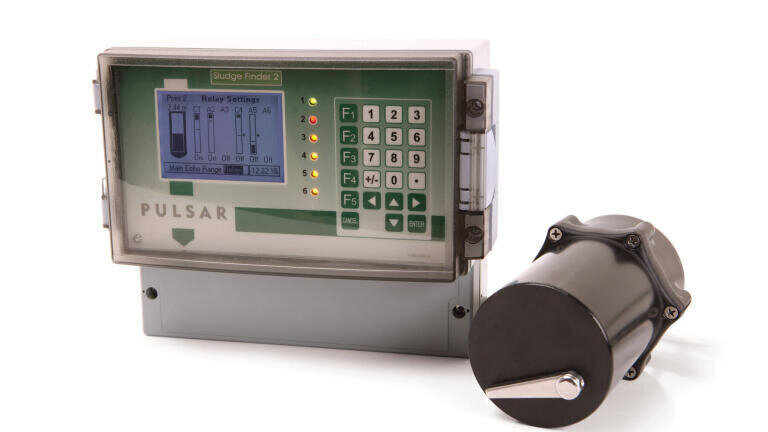
Pulsar Process Measurement (UK) have supplied eight Sludge Finder 2 sludge interface monitors to Severn Trent’s Stoke Bardolph site as part of a process improvement project that has allowed the company to significantly increase electricity generation on site and return energy to the National Grid.
In common with many large sewage treatment works, Stoke Bardolph uses the gas produced in the digesters to drive turbines, generating electricity. The more gas produced, the more electricity can be generated, and an important determinant of gas volume is the quality and density of the sludge being delivered to the digesters.
Stoke Bardolph wanted to increase sludge density from an average of around 2% up to a target of 6%. The project included a move to positive displacement pumps and installation of sludge density monitors. It was also important to reliably and consistently measure the sludge blanket level to optimise the pump operation, making sure that the maximum amount of sludge of the right density is efficiently transferred to the digesters.
Before the Pulsar units were installed, sludge blanket measurement was made using a dip tube. The measurement needed to be made every day, which involved climbing onto the rotating bridge of the clarifier and operating a metres-long dip tube. This had to be done every day, a potentially hazardous operation and not the dynamic measurement required to make the process work efficiently. In addition, the dip tubes tended to crack in cold weather.
Pulsar’s Sludge Finder 2 features a self-cleaning ultrasonic transducer, continuously measuring sludge blanket level. The instrument signal is taken off the rotating bridge through the slip rings and the signal is fed back to the site SCADA system, where it appears on plant mimics and is used by the system to determine the optimum time that the pumps are in operation.
The scheme has been a resounding success. Stoke Bardolph generates 5.5MW (5500KW) at full power. Enough energy is produced, not only to power equipment on site, but also to return a net surplus of electricity to the Grid; making the site energy self-sufficient.
IET 36.5 Sept/Oct 2026





 Product directory