Water/wastewater
Published over 13 years ago. See the latest and most current information on Water/wastewater.
Wastewater represents a cost to business. Hach Lange (UK) has produced a report on how Operator Self Monitoring (OSM) can not only reduce discharge and treatment costs but also boost profit by increased product recovery and reduced energy consumption.
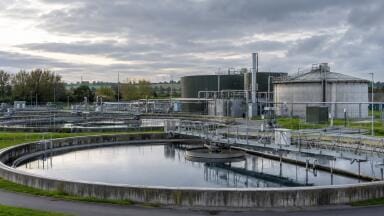
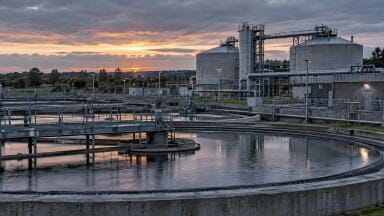
There are a number of ways in which discharges incur costs. For example, if the discharge is treated at a water company treatment works, the water company will impose a fee.
In recent years, the EA has shifted towards OSM where water companies and processing industries self monitor their discharge and report results to the EA. The frequency of monitoring is dictated by a combination of the risk posed by the discharge and assessment of the quality of the operator's monitoring regime.
Operators have a choice; they can either hope that the spot checks are accurate, or they can conduct their own monitoring to make sure that it is.
Self-monitoring can deliver much more than an accurate charge for wastewater; it can create a better understanding of a process and thereby improve efficiency and reduce the risk of discharge consent failure.
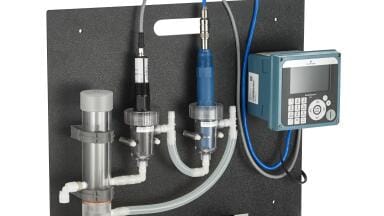
The choice of technology is often dictated by the application or physical constraints. While portable equipment for spot checking is often relatively low cost, by nature it may demand sample collection, preparation or preservation and offers less diagnostic information than continuous on line analysers, making it more difficult to identify the onset of process batch issues.
Hach Lange manufactures all of these instruments and the company's technical staff are able to offer advice on the best solution for every application.
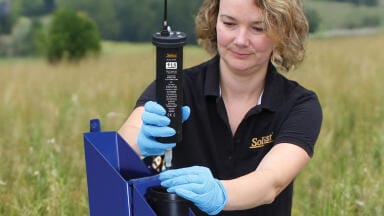
Samples can be collected from the waste stream either manually or automatically.
Automatic samplers are able to take samples at various times throughout the process cycle in order to deliver a representative sample. The collected samples can even be refrigerated so that they do not change prior to analysis. However, some samplers offer more sophisticated options. For example, they can monitor flow rates and adjust the sampling frequency accordingly. Alternatively, some samplers are able to monitor water quality in the waste stream and take samples when readings reach specified limits or alarm levels.
IET 36.5 Sept/Oct 2026



 Product directory