Water/wastewater
Published over 10 years ago. See the latest and most current information on Water/wastewater.
Next year, Guanabara Bay and other waters surrounding the Brazilian metropolis of Rio de Janeiro will play host to more than 1,400 athletes as the country hosts the 2016 Olympic Games. Up until recently, the Brazilian organisers responsible for ensuring safety levels in the water, and the International Olympic Committee itself, had insisted that only bacterial testing would be conducted on the waters.
However, in the last few days, the committee has pledged to include testing to detect viruses in the waters, too. What has changed?
Analysis of the waters conducted by the advanced marine biology laboratory at the Federal University of Rio de Janeiro has revealed that levels of pollution in the water are considerably higher than expected or recommended. In an alarming new study, the University warns that much of the rivers and bays surrounding Rio are anoxic (incapable of supporting normal forms of marine life) and that some waters even contained items such as “floating TV sets, sofas and dead animals”.
Clearly, this detritus can pose a physical obstruction to swimmers, canoes and boats which sail through, since it could enter their engine systems, cause grave malfunctions or even just cost competitors their place in a race.
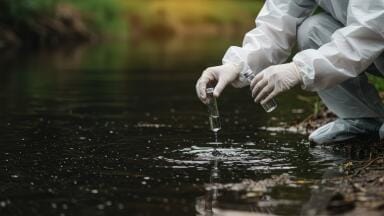
Of more serious concern, however, is the bacterial and viral quality of the water itself. An independent analysis of the water conducted by the Associated Press (AP) over a five-month period showed unsanitary high levels of viral pollutants in the water as a direct result of human sewage. Meanwhile, a letter intercepted by the AP last year exposed the fear among environmental officials in the country itself that they would fail to meet clean water targets proposed in their initial Olympic bid in 2009 by the 2016 deadline.
The letter stated that increased investment in water sanitation and pollution-removal methods was an absolute must if Brazil were to fulfil its obligations. If current investment continued at the same level, it would be at least a decade before improvements in water quality were seen, said the letter.
Finally, the organisers in charge of the competition have relented and agreed to conduct viral testing in addition to bacterial testing on the waters concerned. Carlos Arthur Nuzman, who is the chief official on the organising body, told the AP last week that: “the viral tests, we will do and we will repeat this because the most important [thing] for us is the health of the athletes.”
Nuzman went on to say that he and his colleagues were working “on a daily basis to create the test,” but would not be drawn on when it would actually take place. Hopefully, it is implemented sooner rather than later and that Brazil is able to clean up its act in time for the Games, thus avoiding placing almost one and a half thousand athletes in danger.
IET 36.3 May

 Product directory