Water/wastewater
Published over 13 years ago. See the latest and most current information on Water/wastewater.
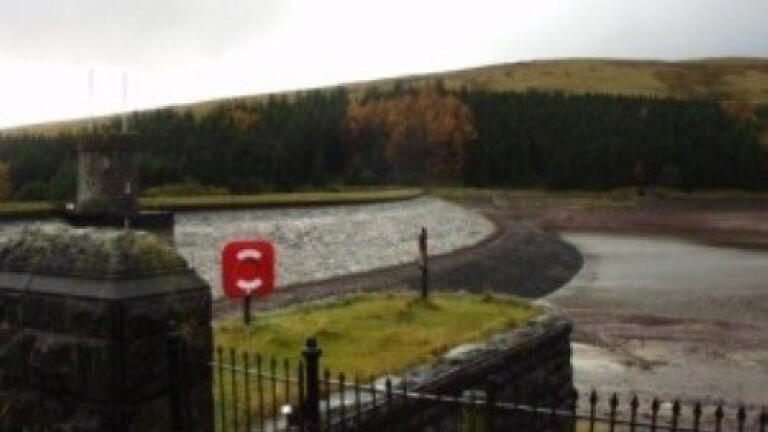
Two reservoirs in the north of England have been declared "water safeguard zones" owing to uncertainties about the quality of the water in the area.
United Utilities decided to declare the two reservoirs unsafe amid concerns that pollutants, algae and discolouration were problems.
It is feared that the surrounding areas in Bolton will be supplied with unclean water, which could lead to individuals in the Wayoh and Entwistle area suffering from a variety of pollution-related illnesses.
Sadly, this is not the only case of water pollution in the area.
In fact, these two areas are just two of 38 across the North West which have now been designated as "water safeguard zones," the Bolton News reports.
It has been reported that drinking water has not yet been affected by the pollution, but it is thought that if the problem does not improve, there could be serious worries.
Because of this, the firm is planning to work with local companies and landowners to identify and solve the problems in order to ensure that the water remains drinkable.
It is important that the water is usable as the reservoirs supply 40 per cent of Bolton’s drinking water.
If the problem worsens, it has been reported that the company will need to treat the reservoir with expensive and environmentally- unfriendly chemicals.
Catchment strategy manager Kate Snow, who monitors water quality for United Utilities, said: "In some cases this deterioration has been happening over decades as the result of practices which are long established.
"Practices like draining bogs, done to provide improvement to grazing land in the past, we now know are not good for water quality, biodiversity or the environment.
"This designation isn’t saying why the problem is occurring or who is responsible, but it acknowledges that there is one. Working with the Environment Agency, we want to bring local people together to ask them what they think is causing the problem and think about what could be done."
IET 36.3 May

 Product directory