Water/wastewater
Published over 13 years ago. See the latest and most current information on Water/wastewater.
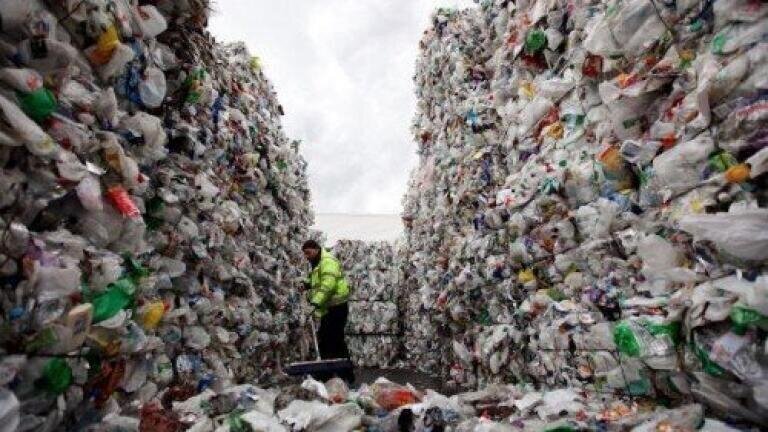
There may be a better way to dispose of plastic items than landfill sites, new research has suggested. Researchers have studied much of the plastic that is floating on the oceans of the world and have found that it is home to thousands of bacteria.
The scientists involved in the study have found that plastic littering the oceans has become colonies for thousands of microbial communities, which have been named 'plastispheres'. The research, published in Environmental Science and Technology, found that many of the bacteria living on the plastic fragments appear to be new species.
It could be possible that the plastic items that find their way into the oceans throughout the world have enabled the development of species that were previously unknown to science. Scientists do not yet know whether these new species could affect water quality or the environment for other marine microbes. Even a species as small as bacteria could have the ability to affect the overall ecosystem of the oceans, potentially affecting larger marine and land dwelling life forms.
The research was conducted by a collaborative team of scientists from several institutions. It involved skimming the North Atlantic Ocean during Sea Education Association (SEA) research cruises in order to collect plastic fragments. Many of the plastic pieces were only millimetre-sized; a result of biodegrading plastic items, such as bags and bottles.
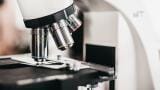
Gene sequencing and scanning electron microscopy techniques were used on the fragments, revealing around 1,000 types of bacteria on the plastic. Each tiny fragment of plastic contained a variety of organisms, including those that create their own food and bacteria that feeds on these. There was also evidence that some forms of bacteria had fed on the plastic itself, possibly playing a role in the decomposition.
This find could mean that a new way of decomposing plastic items could be developed, reducing the levels of plastic items that are currently in landfill. New forms of fast-decomposing plastics could also be developed that would have a smaller environmental impact.
IET 36.5 Sept/Oct 2026



 Product directory