Showing 1 to 12 of 562 results
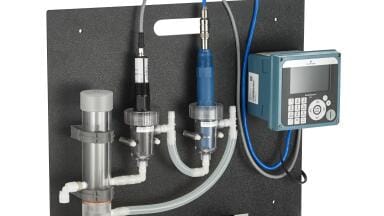
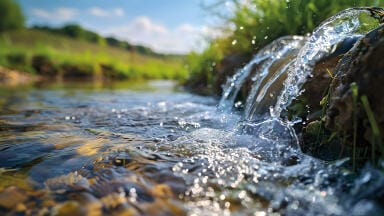
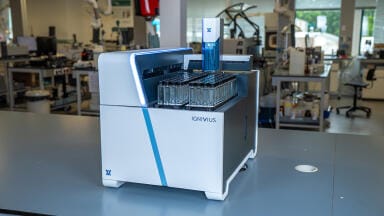
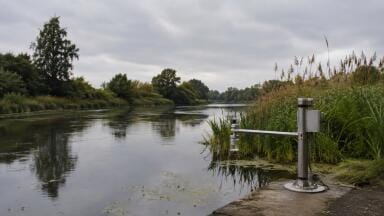
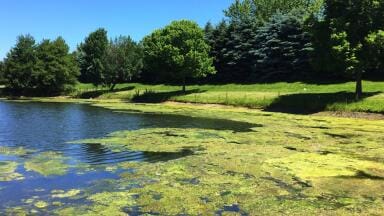
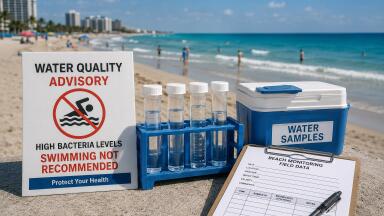
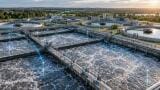
Water quality monitoring is the scientific process of regularly and consistently observing, measuring, and analyzing the characteristics of water in various environments, such as rivers, lakes, oceans, and groundwater, to assess its condition and identify any changes or trends over time. This practice is crucial for several reasons. Firstly, ensuring that water is safe for human consumption, recreational activities, and other uses by testing for pollutants like microbes (e.g., bacteria, viruses), chemicals (e.g., pesticides, heavy metals), and physical characteristics (e.g., pH, turbidity). Secondly, evaluating the health of ecosystems that rely on water sources and identifying changes or degradation caused by factors such as pollution, climate change, or human activities. Third, monitoring programs ensure compliance with local, national, and international water quality standards and regulations, helping authorities to enforce these standards and take action against polluters. Similarly, data from water quality monitoring guide decision-making processes related to water resource management, helping to plan resource allocation, conservation, and treatment measures efficiently and sustainably. Lastly, identifying the sources and extent of pollution can help in the effective containment, removal, or treatment of contaminants, mitigating their impact on the environment and human health. There are many different methods for monitoring water quality, but typically, they involve sample collection, on-site analysis, laboratory analysis, data interpretation and reporting.
IET 36.5 Sept/Oct 2026

 Product directory



.jpg)









.jpg)