Wastewater analysis
Published over 3 years ago. See the latest and most current information on Wastewater analysis.
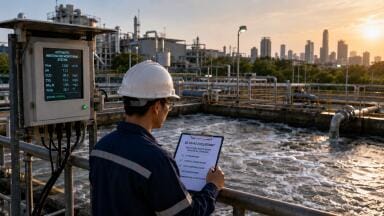
Water is becoming increasingly precious. In view of climate change, many countries are currently working on new concepts for sustainable water management. This also includes the handling of wastewater. Continuous monitoring according to defined standards and sustainable treatment have long been common practice in most countries. Biochemical Oxygen Demand (BOD) is one of the most important parameters. Professional equipment with measuring instruments and reagents that are as reliable as they are economical plays a correspondingly important role in the industry. Not only in municipal or state wastewater treatment plants, but also in private sewage treatment plants.
The BOD value in combination with COD (Chemical Oxygen Demand) and TOC (Total Organic Carbon) is widely used as an indication of the contamination of water samples. A distinction is made between different measurement methods used to determine the BOD value. A standard method is the respirometric method adapted from DIN 38 409-H52 / EN 1899-2. The BOD5 value is widely known where the demand of oxygen is measured over five days in order to produce reliable and reproducible measurement results. Some countries perform this analysis over longer periods for example a BOD7 value.
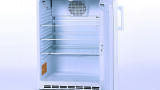
This measurement is performed in an incubated system. The microorganisms contained in wastewater samples consume oxygen and produce carbon dioxide. Potassium hydroxide (KOH) that absorbs this carbon dioxide is added in the container above the sample. From the drop of pressure, the sensor electronics computes a value that is in direct proportion to the BOD value. To achieve reproducible results, the measurement is performed at a constant temperature of 20 °C. The measurement of the BOD value is influenced by the temperature, pH value and depends on a sufficient amount of oxygen and nutrient content, the C-N-P ratio.
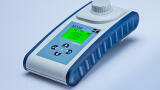
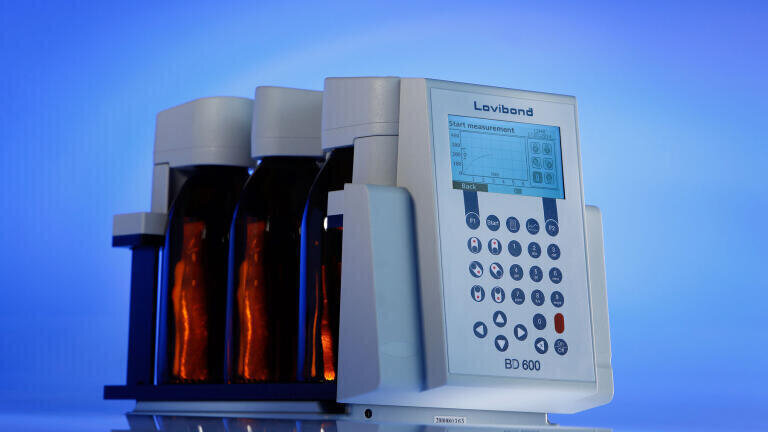
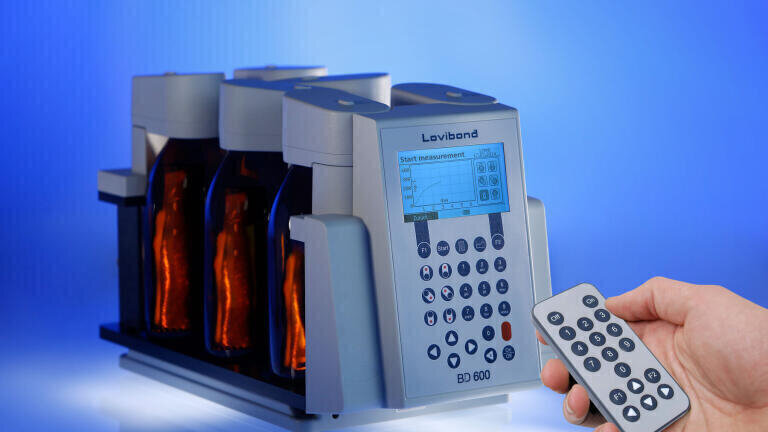
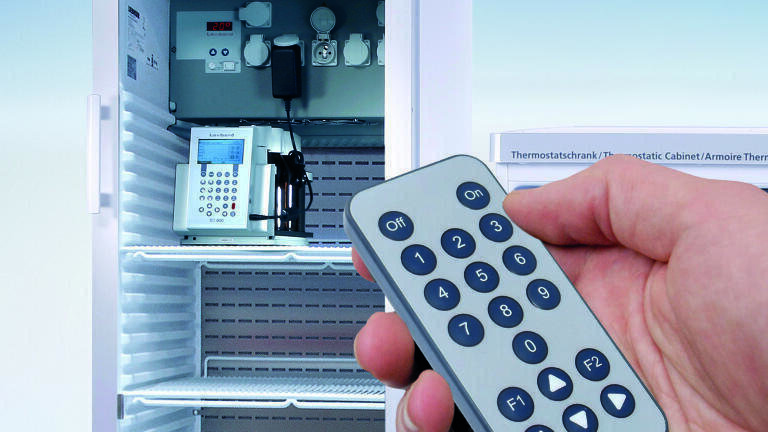
The BD600 from Lovibond® is ideal as a respirometric system with 6 measurement points for precise, automatic and direct control of wastewater samples by determining BOD. The device is the perfect helper for process control or as an additional test to the dilution method. It saves time, reduces the potential for errors and quickly and easily interprets the data to make process control decisions. Other highlights: user-friendly, large, illuminated & brilliant graphic display, graphic display of measured values, USB & SD data transfer.
After starting a series of measurements, the BOD measured values are automatically saved at regular time intervals. For different applications, the measurement period can be freely selected between 1 and 28 days. The BD600 measuring system records a measured value every hour, regardless of the measurement period. In this way, the quality of a measurement series can be assessed at an early stage.
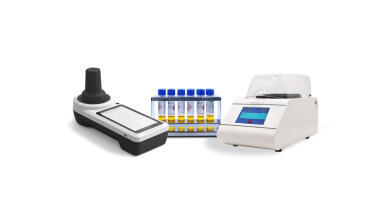
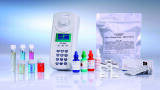
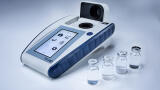
A useful addition are the Lovibond® COD Setups. They allow highly sensitive and precise water testing with minimum effort. They measure the ST-COD concentration by photometric detection employing a linear relationship between absorbance and concentration. After adding the sample to a Lovibond® COD tube test, it is heated in the reactor for two hours at 150 °C and then analysed in the photometer. They include COD tube test as ideal alternatives to the classic COD determination: No exposure of users due to closed cuvettes, 10 times less toxic waste than standard laboratory method and standardised method according to ISO 15705:2002.
IET Guide 2026

 Product directory