Wastewater analysis
Published over 4 years ago. See the latest and most current information on Wastewater analysis.
Staying vigilant means looking out for possible dangers before they occur. Therefore, the European Commission strongly encourages Member States to implement wastewater sampling and testing in large cities by 1 October 2021, to monitor the presence of pathogens such as SARS-CoV-2 (Coronavirus). Help manage viral outbreaks proactively through early detection of pathogenic contamination with real-time PCR technology and real-time disinfection monitoring using our sensor and solution portfolio.
To keep a closer tab on pathogenic transmission, the European Commission recommends that from 1 October 2021, Member States of the European Union establish a wastewater surveillance system to provide data on pandemic viral strains in wastewater, such as for SARS-CoV-2 and its variants. This monitoring system should cover large cities with populations over 150000, preferably with a sampling frequency of at least two samples per week.
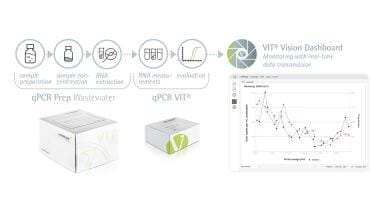
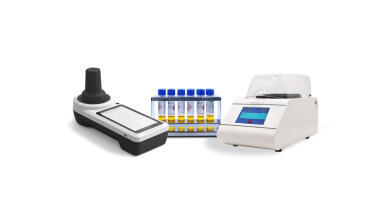
Offering complete measurement solutions from sampling, testing in the laboratories and disinfection monitoring, our portfolio ensures advanced quality management in wastewater surveillance, as well as water abstraction, treatment and distribution, including documentation management, instrument verification, and maintenance strategies for optimal risk management and water safety.
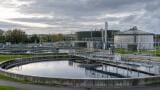
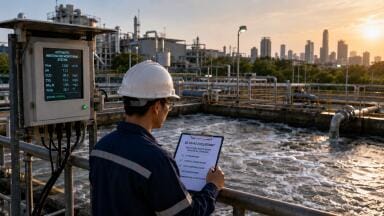
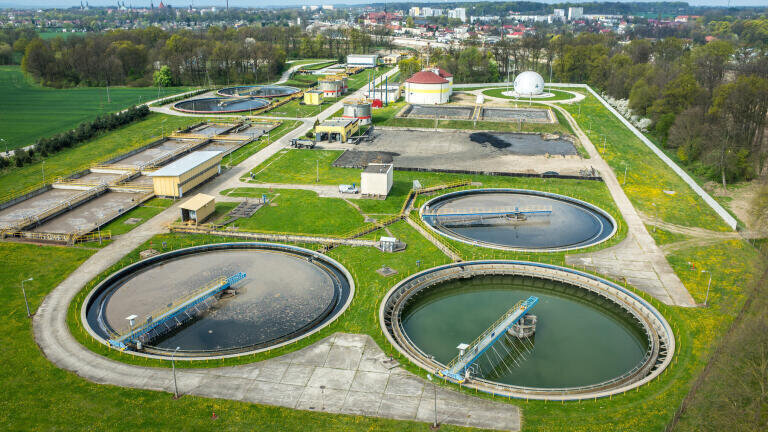
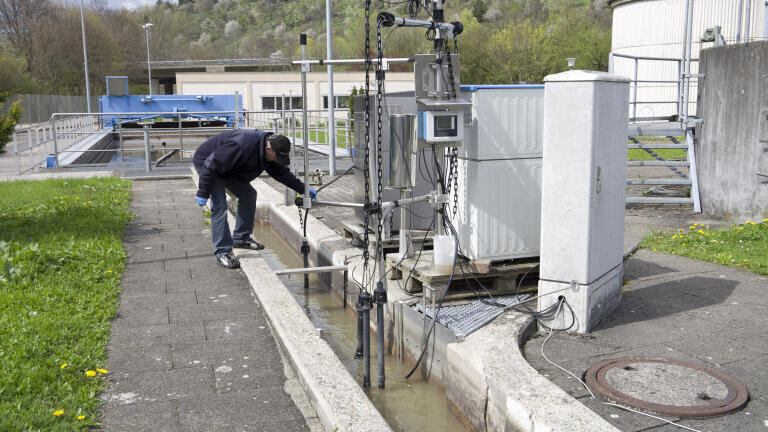
Wastewater samples at the inlet of a treatment plant are often collected manually and analysed for biological parameters that can impact public health. These samples are taken from various locations and analysed over a period of time to enable plant operators and research institutes to map the prevalence of pathogenic contaminants such as viruses more objectively. The data serves as an early warning detection of the spread of pathogens. However, this increases time and operational resources
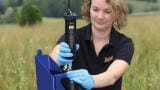
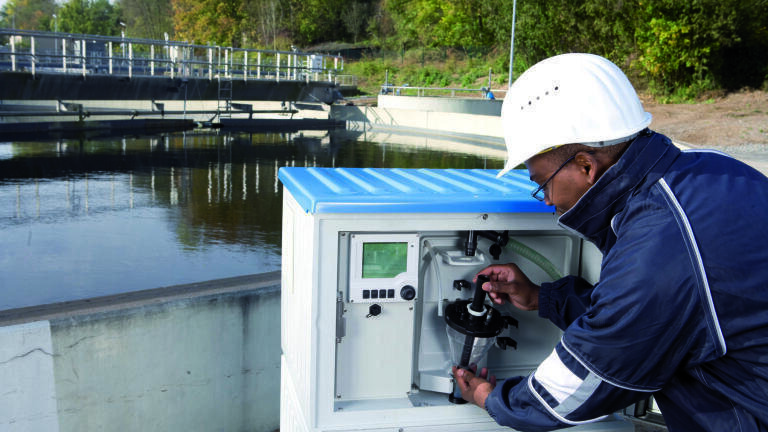
Taking samples of wastewater can now be automated with our sophisticated samplers which can be placed in various outdoor locations. Wireless data transmission capabilities ensure efficiency in collecting the sample bottles. With its quick cooling time, the biological integrity is preserved ensuring reliability of readings in the laboratory where real-time PCR technology is carried out. Real-time monitoring of disinfection at the outlet of plants is necessary to ensure safe discharge.
Interested in more industry-related information?
Visit us on endress.com
IET Guide 2026

 Product directory