Wastewater analysis
Published over 12 years ago. See the latest and most current information on Wastewater analysis.
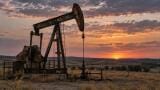
Researchers have said that massive injections of wastewater from the oil and gas industry are likely to have caused a sharp rise in earthquakes in Oklahoma in the US. There has been a 40-fold increase in the rate of quakes in the US state between 2008 and 2013, the BBC reports.
The scientists, whose research has been published in the journal Science, found wastewater in four high-volume wells could be responsible for tremors up to 35 km away. There has been an increase in evidence linking oil and gas extraction to earthquakes across many states in the US, such as Arkansas, Texas, Ohio and Oklahoma.
However, this new research links a large swarm of tremors within Oklahoma to specific wells located nearby. Scientists have now linked the increase in earthquakes to the volumes of wastewater nearly doubling in Oklahoma in just four years.
More than 2,500 earthquakes, greater than magnitude 3.0, have been recorded in a small town called Jones since 2008. This represents about 20 per cent of the total in the central and western US in this period.
Oklahoma's four biggest wells have been pumping around four million barrels of water a month to 3.5 km beneath the surface. In order to discover the impact of this water, the team of researchers created a model that calculated how the underground wave of pressure from these wells spread out.
They then compared this to data from Jones and concluded that the injection of wastewater is "likely responsible" for the swarm.
Dr Katie Keranen from Cornell University, the study's lead author, said there is a high ratio of water to oil, which is much higher than the national average.
"It is possible that pressure looks to have risen in the places where the earthquakes are occurring," she said.
"That pressure increase is what we see in natural triggering. So, if a fault is close to failure, the amount that the pressure is going up at these locations in our model is enough to push them over the edge."
IET 36.5 Sept/Oct 2026


 Product directory