Wastewater analysis
Published over 13 years ago. See the latest and most current information on Wastewater analysis.
A new project at Turtle Lake, Wisconsin will see the construction of a renewable energy plant that can turn cheese-making by-products and wastewater into electricity, fertiliser and heat. The $28 million (£18.5 million) is currently in production and hopes to reduce cheese plant wastewater from land spreading.
Wastewater from cheese production is high in phosphorous and organic content, which can cause environmental problems. GreenWhey Energy plans on using the new plant to get rid of the wastewater in a safe manner whilst also providing power for the local community and heat for the cheese making processes.
Around 500,000 gallons of wastewater created within local cheese plants will be processed at GreenWhey's cutting edge facility. The water could produce enough methane biogas to power around 3,000 homes. The electricity that is produced will be sold to Xcel Energy.
As well as producing electricity, the processing of the wastewater will also create large amounts of heat. Around 140 million British thermal units (BTUs) of heat will be generated by the plant, which will be utilised to heat local dairy plants' hot-water facilities.
A high-value fertiliser will be produced from the sludge material that is a by-product of the digestion process in the dairy plants. The water left at the end of the processing will be almost clean enough to drink, instead of the highly-regulated high-strength wastewater that the Wisconsin Department of Natural Resources has to closely monitor.
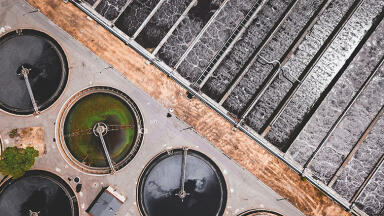
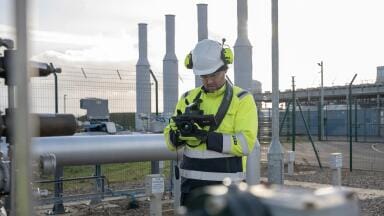
Tankers will deliver the wastewater collected from local dairy plants and transfer it to the on-site storage tanks. Any water that has been pre-treated will be fed into two separate anaerobic digesters, which split the waste water into clean water, solid fertiliser product, carbon dioxide and methane. The biogas created from this process is captured and used in generators on site, while any excess bacteria are reused in the treatment of future wastewater.
IET Guide 2026

 Product directory