Wastewater analysis
Published over 12 years ago. See the latest and most current information on Wastewater analysis.
Around one million gallons of fracking wastewater has been spilled at a site in North Dakota, US, close to a drinking water reservoir. The reservoir supplies drinking water to the Fort Berthold Indian Reservation; it is not clear yet whether the water quality has been compromised as a result of the spill.
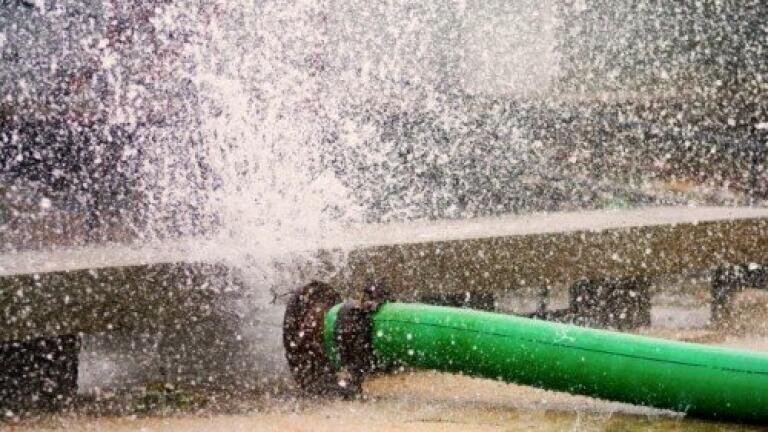
The wastewater is a leftover product of hydraulic fracturing - fracking operations - in the area. It was being transported through a pipeline owned by Crestwood Midstream Partners, which runs along the shore of the reservoir. The above-ground pipeline carrying the wastewater ruptured over the July 4th weekend but the spill was not discovered until July 8th.
Around 24,000 barrels of the wastewater was released from the pipeline before the spill was stopped. Wastewater from fracking is around ten-times saltier than seawater and contains other potentially harmful components, such as fossil fuel condensates. The water was being removed from the fracking site for disposal at the time of the spill.
Currently there is no sign that the reservoir, which supplies the Hidatsa, Arikara and Mandan tribes, has been contaminated by the leak, according to the Environmental Protection Agency (EPA). The agency said the majority of the wastewater has pooled in the area it spilled and that beaver dams have stopped it from spreading further.
Despite the fact that the wastewater is unable to spread much further, the chemicals and salt content of the water could cause environmental damage that may have been lessened had the spill been identified sooner. The ruptured pipeline was not fitted with a leak alert system, which meant that the issue was only recognised when officials went through production loss reports.
Wayde Schafer, North Dakota spokesperson for the Sierra Club, said this spill and the others that have happened recently are "bordering on negligence". He has highlighted a number of recent spills that have taken place in North Dakota, which has experienced an oil boom in the last few years.
The region has experienced four spills recently, with three being the result of lightning strikes and a fourth being blamed on a cow rubbing against a tank valve. Mr Schafer said more needs to be done to protect against spills and to react faster when they do occur.
IET 36.5 Sept/Oct 2026



 Product directory