PFAS analysis
Published over 4 years ago. See the latest and most current information on PFAS analysis.
Visit Shimadzu’s stand at WWEM to discuss how to improve throughput, lower overheads, report earlier and reduce laboratory footprint with new technology.
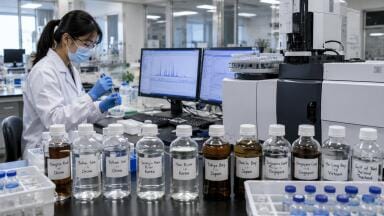
Shimadzu 24/7/365 capabilities facilitate fully automated multi-method capabilities with no human involvement.
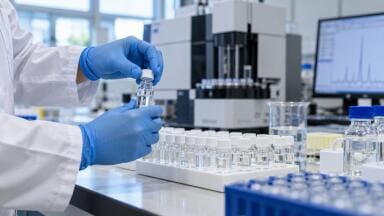
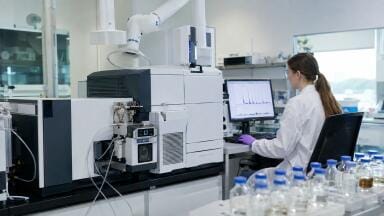
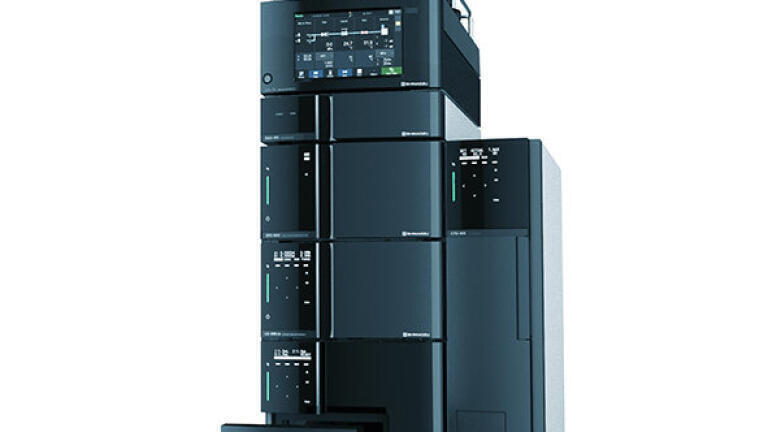
Eliminate the need for a dedicated PFAS analyser, with Shimadzu LC and mass spectrometry technologies you can run suites of methods on a single system, including online sample prep capabilities. The global #1 LC system is combined with the fastest and most capable single quad, triple quad and high-resolution accurate mass instruments. Triple quadrupole instruments offer the lowest limits of detection with streamlined reporting for ultimate data confidence.
High-resolution accurate mass instruments allow for targeted and non-targeted sample analysis to find and identify compounds present in a sample. Ultra-fast acquisition in combination with outstanding sensitivity enables high quality data-independent acquisition (DIA) analyses to increase compound coverage on MS and MSMS level, enable targeted, suspect screening as well as unknown analysis and facilitate retrospective data re-interrogation capabilities.
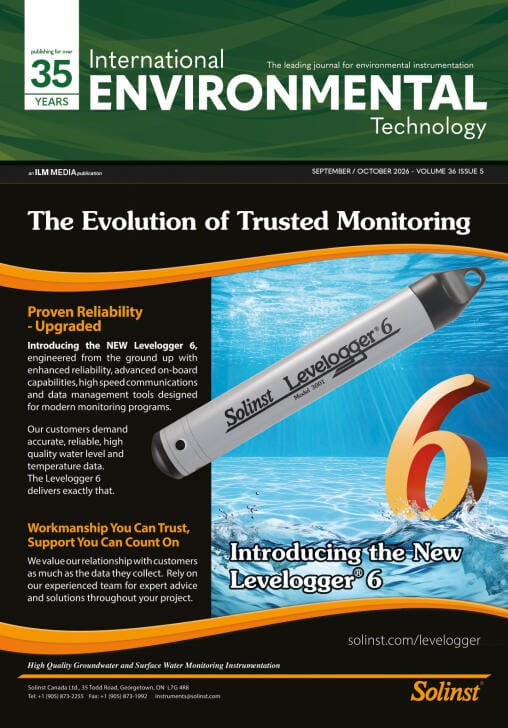
IET 36.5 Sept/Oct 2026


 Product directory