Gas detection
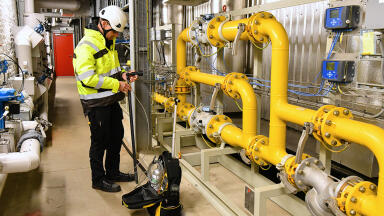
Among the less visible but more insidious threats in industrial environments is the presence of hazardous gases, which can compromise the health of operators, damage equipment and cause serious accidents. In this context, gas detection systems represent a crucial first line of defence. In industrial environments - from refineries to chemical plants, from power stations to food plants - the presence of flammable, toxic or asphyxiating gases is often a structural component of the production process. Early detection of a leak or abnormal concentration is not just a preventive measure: it is an ethical duty and a regulatory requirement. Technology has made great strides in this area. Modern gas detectors offer a combination of accuracy, reliability and connectivity. These are devices that can integrate with industrial control systems and send alarms in real time. Gas detection today is not just a technical issue: it is an act of responsibility. Protecting those who work in risky environments means demonstrating care and attention for the most important value: people.
It is on this principle that Sensitron bases its daily commitment. With solutions designed to fit every need and decades of experience in the field, Sensitron works alongside industries to make every environment safer, every process more controlled, every choice more informed.
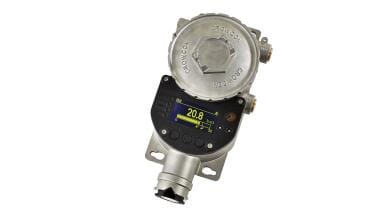
The product range consists of gas detectors and control panels designed for every application: SMART 3G Series; SMART S Series; SMART 3 Series; and PARK Systems.
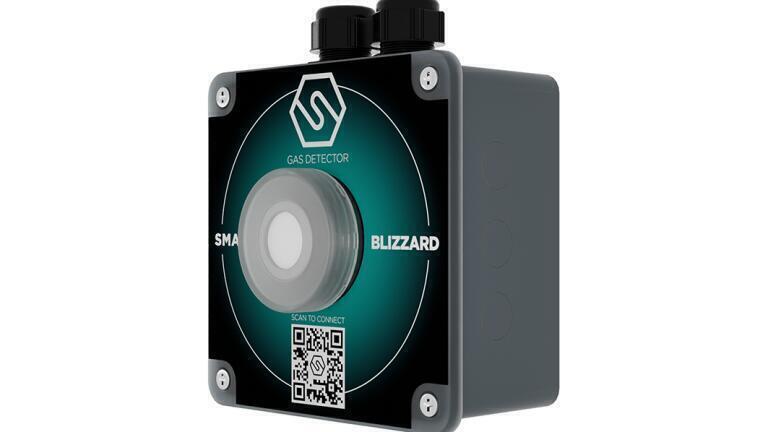
The SMART 3G series, designed for all types of applications, is ATEX, IECEx and SIL certified, while the SMART S series is created to be highly customisable and to withstand the harshest environments. The SMART S MS is also available with CCS and MED certification for the marine sector. The SMART 3 series, which includes the new Blizzard SMART 3, is suitable for working in unclassified areas. The PARK system, consisting of the SMART P gas detector and the MULTISCAN++PK control unit, complies with EN 50545-1.
IET 36.3 May

 Product directory