Gas detection
Published over 10 years ago. See the latest and most current information on Gas detection.
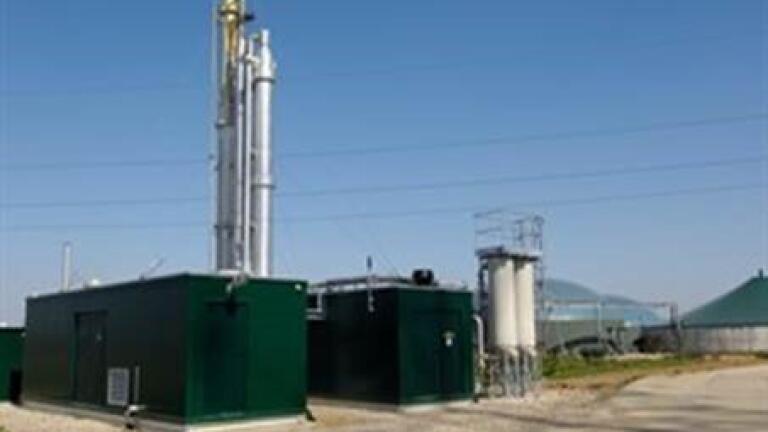
Geotech takes a look at the many reasons to monitor biogas and the benefits for AD operators…
A key reason for investing in an AD plant is due to the biogas that can be produced and its value to the plant as a fuel. The case for monitoring biogas can be made commercially, with some reasons applying to all plants with the strongest case applying to a plant with a CHP engine, particularly where feedstock is varied:
Monitoring gas to protect your plant’s engine:
Which gases need to be monitored?
The key gas for AD sites throughout the world is methane. As well as providing an indication of AD output, it is measured in order to protect a CHP engine. As it is a highly explosive gas, engines are sensitive to sudden changes in methane levels, as well as requiring a minimum CH4 level to restart.
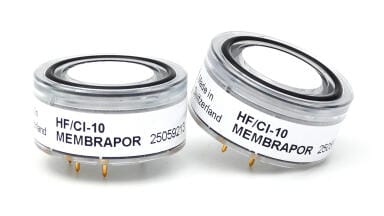
Hydrogen sulphide is often produced during anaerobic digestion, particularly with high protein feedstocks such as maize. As H2S can lead to sulphuric acid in the engine, high levels can cause damage. AD plants with high H2S often use scrubbers to remove the H2S before the biogas reaches the engine. In this case it is beneficial to measure H2S before and after scrubbing to monitor the effectiveness of the scrubbing process.
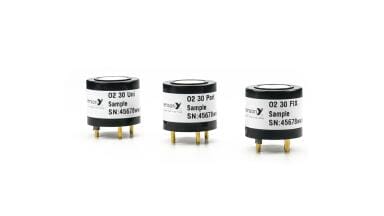
Carbon dioxide and Oxygen are also useful indicators to monitor. The CH4 / CO2 balance can help confirm effective anaerobic digestion. O2 levels show that the process is anaerobic and there are no inward gas leaks.
Geotech supports AD sites of all sizes by providing portable and fixed gas monitors, used throughout the gas monitoring process. To find out more email, visit the website or call +44(0)1926 338111.
IET Guide 2026

 Product directory

















-Medium.jpg)

-QED-Image.jpg)
.jpg)