Gas detection
Published over 6 years ago. See the latest and most current information on Gas detection.
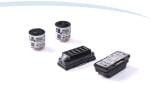
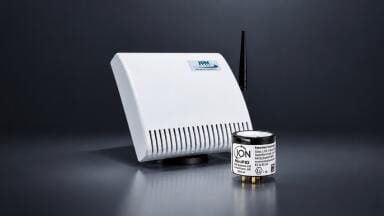
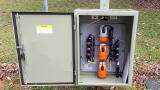
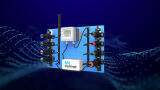
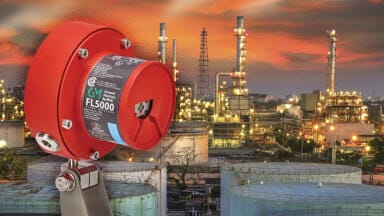
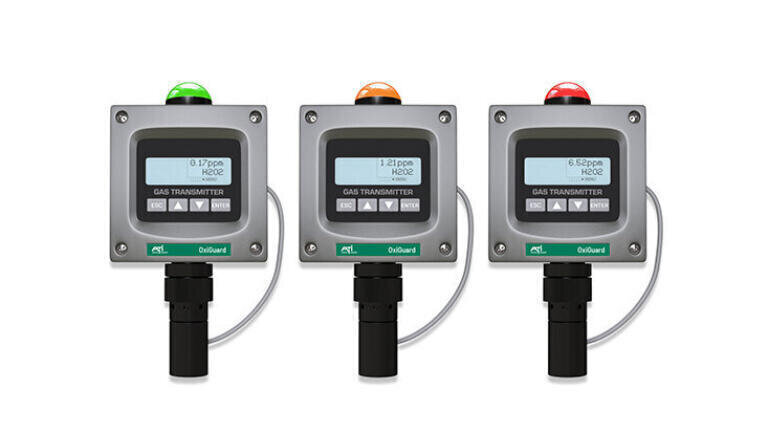
ATi UK’s OxiGuard is the latest gas detection solution in the industry-leading PharmaSafe range, offering an array of oxidant gas monitoring and unique features.
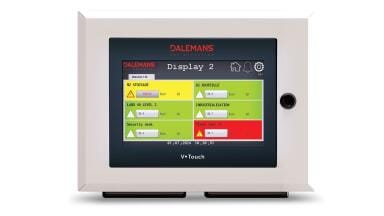
OxiGuard provides real-time data, along with visual and audible alarms to indicate when specific levels of gases have been reached. With a built-in traffic light style warning system, health and safety managers can be certain that the sensors work and that the environment is safe for staff to work in, allowing for reliable monitoring without expensive third party call-outs to test and verify gas sensors.
Measuring oxidants, including hydrogen peroxide, ozone, chlorine dioxide, dichlorine, methyl, and oxygen, the detector offers a pioneering self-check system to confirm the sensors are working effectively each and every day. This unique AutoTest feature provides reliable response checks to ensure system integrity, verified with a self-generated gas sample.
For many workers, the smell of gases have become part and parcel of their working environment, not knowing if the levels being inhaled for hours at a time is a major health concern for both employer and employee. However, OxiGuard’s versatility provides a gold standard gas detection system that is simple to install, operate and maintain, offering peace of mind
IET 36.5 Sept/Oct 2026


 Product directory




.jpg)