Environmental laboratory
Every result reported by an environmental laboratory depends on a standard operating procedure or method. Yet the method is often invisible to those who use the data. Behind each Standing Committee of Analysts (SCA) “blue book” is multiple working group meetings involving extensive discussion and collaboration, designed to ensure that the analytical guidance is not only scientifically sound, but also practical for routine use. Each document represents the collective effort of specialists who bring together analytical expertise, practical laboratory experience and an understanding of the needs of data users.
One current example is the work of the Inorganics Working Group on a new “blue book” for the determination of fats, oils and grease (FOG) using time-domain nuclear magnetic resonance (TD-NMR), which is now in the final stages of development and being led by Philip Morris at United Utilities. Fats, oils, and greases (FOG) distributed into drains can lead to "fatbergs," leading to severe blockages, flooding, and environmental pollution.
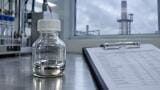
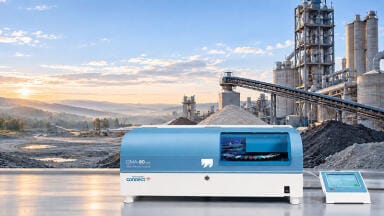
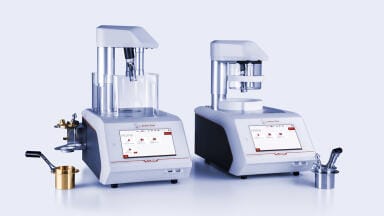
TD-NMR is a lower-field, benchtop form of NMR that measures how hydrogen nuclei respond and relax after expose to a magnetic field. Compared with high-field NMR instruments, TD-NMR are generally more accessible for routine laboratories because they are smaller, simpler to operate and do not require the same specialist infrastructure. It is a technique that can be used to determine FOG with minimal sample preparation and without the solvent extraction required by some traditional methods.
This is just one example of the wider programme of work taking place across the SCA. The Organics Working Group is developing a new publication on PFAS, a group of persistent chemicals that continue to prevent analytical challenges for laboratories and data users. The Microbiology Working Group is reviewing and updating older microbiology standards to ensure they remain relevant and fit for current practice. In Biology, a new zooplankton blue book is being developed, while the Radiochemistry Working Group is updating the tritium in water blue book. There are also plans for a new Sampling Working Group.
Together, these activities demonstrate the SCA’s role in producing new methods, but also in maintaining and improving established guidance as science, instrumentation and environmental priorities evolve. Developing or revising a “blue book” means considering the whole analytical process: the samples to which the method applies, sample handling, interferences, quality control, analytical process and achievable performance.
The SCA would not be able to carry out this work without it’s many volunteers. Currently the committee is seeking a volunteer Secretary to the Board to support its governance and administration. This role includes admin for three to four online meetings per year as well as minor website administration. Anyone interested in learning more about contributing, whether through a working group or the Secretary role, is encouraged to get in touch with the SCA via the website or LinkedIn.
AET 30.4 Nov 2026

 Product directory