Environmental laboratory
Published over 16 years ago. See the latest and most current information on Environmental laboratory.
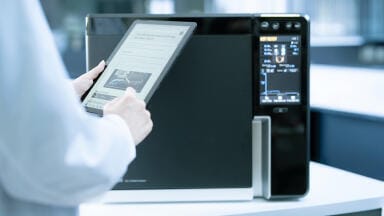
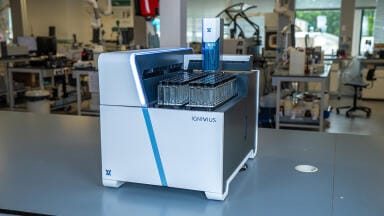
Shimadzu (Germany) has introduced the new GCMS-QP2010 SE, completing the new quadrupole series together with the GCMSQP2010 Ultra. A variation of the Ultra model, the SE version
focusses on high productivity features with an exceptionally good price/performance ratio. This makes it an ideal tool for routine analysis in laboratories covering different application areas such as environmental analysis or quality control.
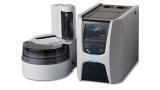
A multitude of accessories supports the flexible use of the GCMSQP2010 SE. These either extend the variety of applications or help to streamline processes in order to save time. Accessories include: Optional Direct Inlet allows analysis of compounds with lower volatility; an optional pyrolyser system is available for analysis of compounds of even higher molecular mass (e.g. polymers, paints, woods and resins); and the TD-20 thermal desorption system specializes in working with very volatile compounds, e.g. for air monitoring.
Using a “double jet cooling system” the GC-2010 Plus oven in the GCMS-QP2010 SE is cooled down rapidly, e.g. in 2.7 minutes from 350 °C to 50 °C. This significantly reduces analysis time, particularly in applications analyzing VOCs (volatile organic compounds).
IET 36.5 Sept/Oct 2026



 Product directory