Environmental laboratory
Published over 13 years ago. See the latest and most current information on Environmental laboratory.
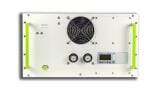
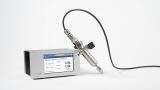
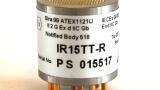
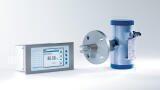
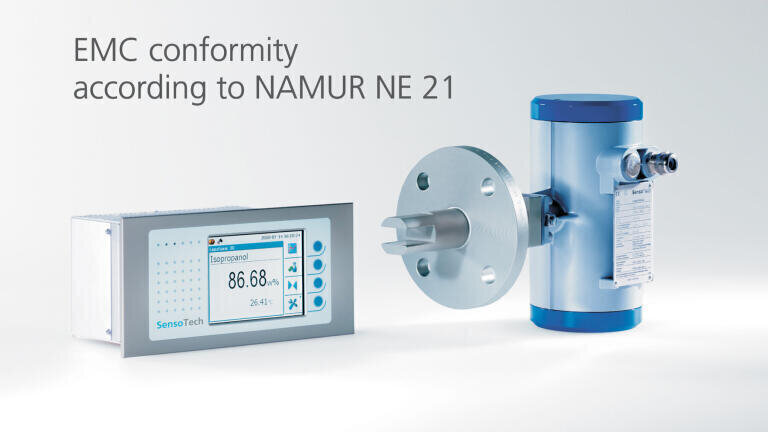
Applied in all types of industries, the LiquiSonic analyser from SensoTech (Germany) is manufactured with modern electronic components. Particularly in the chemical industry, it is being used in diverse applications, such as the determination of the concentration of bases and acids, but also for polymerisation and crystallisation monitoring. In order to further improve the functional reliability during operations, the LiquiSonic analyser now complies with the increased electro-magnetic compatibility (EMC) requirements proposed by NAMUR under NE21.
The NAMUR recommendation under NE21 requires, that the devices used in laboratory and process control are immune to interference. The abbreviation EMC stands for electromagnetic compatibility and characterises the ability of an electrical device to function satisfactorily in its electromagnetic environment, without itself causing any inadmissible effect on the other devices in the surroundings. Thus, with the EMC conformity the function of the LiquiSonic analyser is neither influenced by electromagnetic sources of interference from other devices nor the analyzer turns into a source of interference to other devices.
The compliance with the EMC requirements lays the foundation for the CE marking of the LiquiSonic products from SensoTech.
IET 36.5 Sept/Oct 2026





 Product directory