Environmental laboratory
Published over 8 years ago. See the latest and most current information on Environmental laboratory.
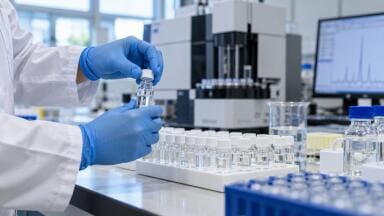
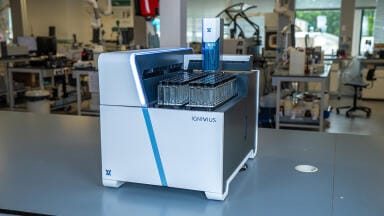
One of the most in-demand workflows any food and environmental lab needs is a solid method for the analysis of polar pesticides. Sciex have presented present a collaborative method with Nofalab, Laboratories, Netherlands. This is a robust and sensitive method for the high throughput analysis of polar pesticides. The compounds found within this non-derivatised workflow are glyphosate, ethephon, glufosinate-n-acetyl, AMPA. glufosinate, 3-MPPA, phosphonic acid and chlorate. Also included are MRM transitions for the appropriate internal standards.
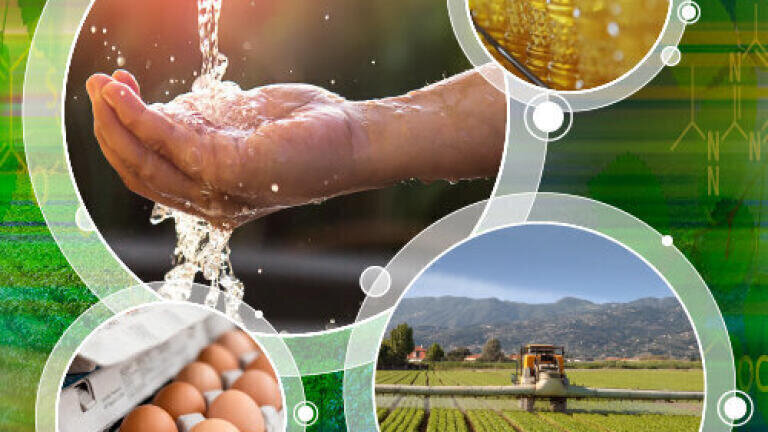
This study explores the performance of this method in drinking water, fruit and vegetables, seeds, grain, animal and vegetable oil, fat/fatty acids, meat, seafood, herbs and spices, eggs and associated products, dairy products and fatty acids.
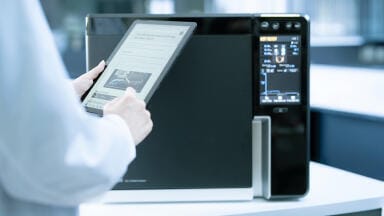
This ion chromatographic approach to the analysis of polar pesticides offers the ability to include multiple analytes in a single injection without derivatization. By deviating from traditional LC buffers on the SCIEX QTRAP® 6500+ mass spectrometer, the analysis is performed using a standard reverse-phase LC based system, without the use of an ion suppressor
IET 36.5 Sept/Oct 2026



 Product directory