Environmental laboratory
Published over 10 years ago. See the latest and most current information on Environmental laboratory.
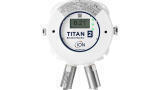
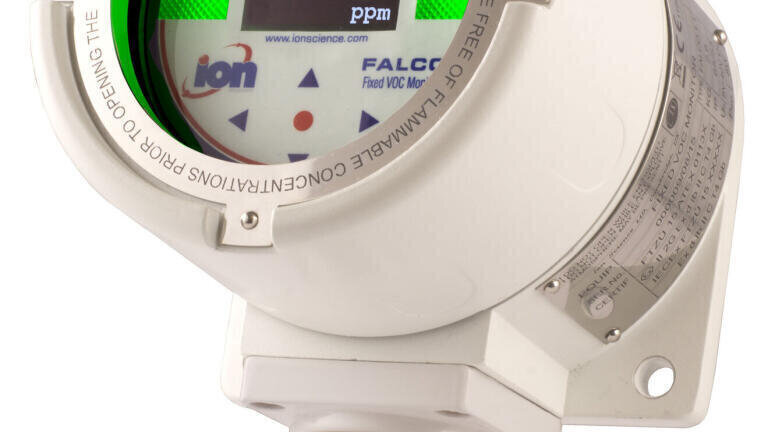
Ion Science is highlighting the suitability of its newly launched Falco series of fixed continuous PIDs (photoionisation detectors) for monitoring a wide range of VOCs (volatile organic compounds) in condensing atmospheres and severe weather conditions.
Setting a new benchmark in fixed VOC monitoring, the ground-breaking Falco offers a fast response to hydrocarbons, solvents, degreasers, paints and fumigants, helping ensure plant-wide safety and the protection of workers operating in potentially hazardous environments. These include refineries, paint booths, shipping fumigations, chemical waste storage areas, polymer plants and pharmaceutical laboratories.
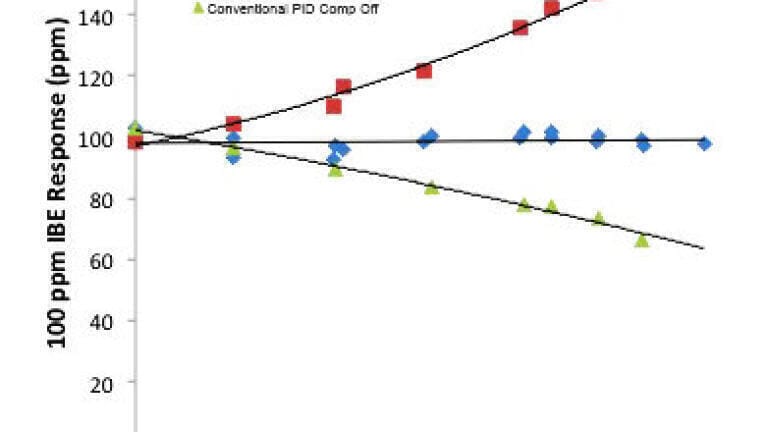
By utilising the same market-leading PID sensor and advanced patented fence electrode system as Ion Science’s well proven Tiger handheld VOC monitor, Falco does not have quenching of response due to humidity in the ambient air. This increased resistance to humidity and contamination ensures ultimate reliability in the field, as well as considerably reduced drift issues and extended run time.
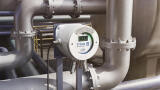
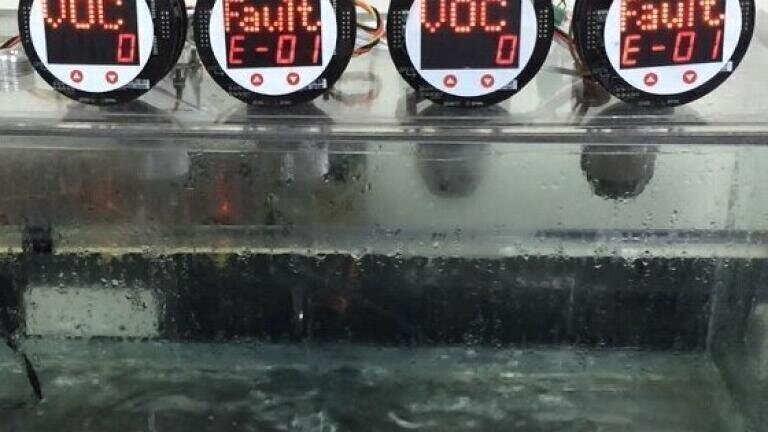
Falco’s ‘typhoon’ technology prevents condensation forming on the sensor eliminating the risk of short circuit and making the instrument ideal for harsh conditions and wet outdoor environments, without the need for weather enclosures. Other potential Falco applications include monitoring the headspace of refinery wastewater streams for excessive hydrocarbon contamination and measuring the effluents of activated carbon systems used to treat contaminated water.
Simple to operate, Falco features an externally located intrinsically safe sensor for quick and easy servicing without the need for a hot work permit, and can be serviced and calibrated in a hazardous environment without having to remove power.
There are eight models in the Falco series offering detection ranges as low as 0 - 10ppm with ppb sensitivity or as high as 0 – 3,000 ppm. Customers can upgrade to a unit with a higher detection capacity by purchasing a different electrode and simply recalibrating.
For added convenience and ease of use, brightly coloured red, amber and pulsing (optional) green status indicators are clearly visible in sunlight allowing checks to be conducted from a distance.
Download the Technical Application Article TA-07 Falco Fixed PID for Condensing Atmospheres to see how Ion Science PIDs are unaffected by humidity, and how ‘typhoon’ technology prevents condensation on the sensor and avoids operating faults or corrosion.
IET 36.5 Sept/Oct 2026




 Product directory